
tours

- First scraped
- 2026-08-01 13:08
- Last seen
- 2026-08-28 10:55
- Last changed
- 2026-08-28 10:55
This is a walking route of cultural and natural interest, and part of the northern section of European Trail E4.
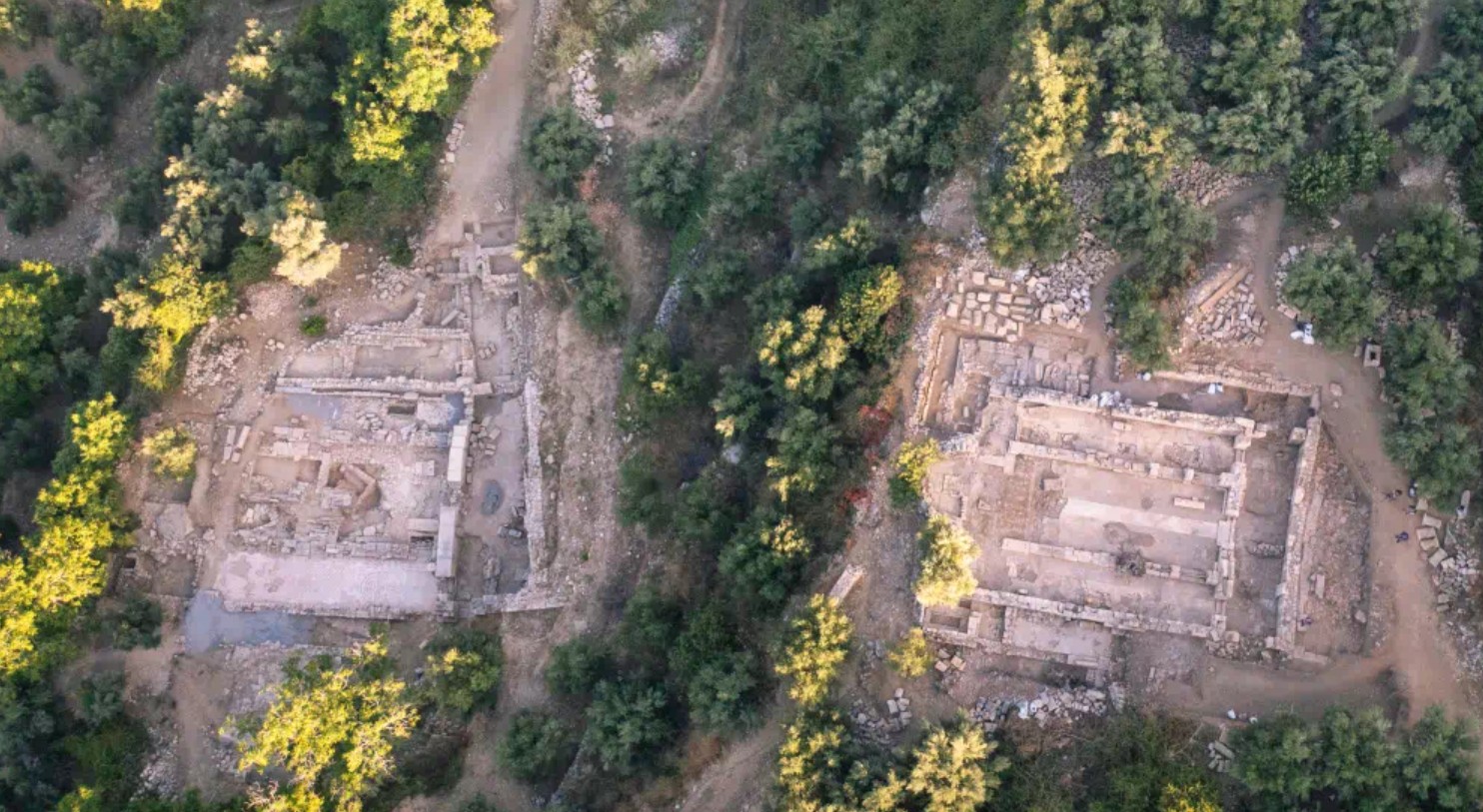
The early Christian basilica of Eleutherna is situated at the point Katsivelos, within the archaeological site of ancient Eleutherna, dates to the 6th or 7th century and is a three-aisled basilica richly ornamented with mosaics.
From the historic Arkadi Monastery, with the wonderful Renaissance architecture of its church and the Museum of Historic Ecclesiastical Artifacts - it is worthwhile making a longer stop there - the route runs eastwards, passes the north part of the archaeological site of Eleutherna.
Excavations in Ancient Eleutherna have brought to light extraordinary findings of various chronological phases, exhibited at the new Museum of Eleftherna, which is located near the entrance of the archaeological site.
From the village of Eleutherna a dirt road descends northwards in the direction of the covered cemetery in the place called Orthi Petra, about 1 km away.
About the same distance further north a superb bridge of the Hellenistic period is preserved. A path from Orthi Petra, ascends towards Pirgi, the Acropolis of the ancient city, passing the underground aquaducts and the remains of the Byzantine church of Agia Anna.
Before Pirgi, the path branches eastwards towards the place called Katsivelos, where a large part of the city has been excavated, with streets and the remains of fine buildings as well as a large Christian Basilica, that of Michael Archangelos.
The church was built on the site of an older Hellenistic sanctuary.
Here, the path meets the dirt road which leads southwards to the main road, first passing the cemetery of the village of Ancient Eleftherna with its Byzantine church of Sotira Christou.
View the original article ↗
The early Christian basilica of Eleutherna is situated at the point Katsivelos, within the archaeological site of ancient Eleutherna, dates to the 6th or 7th century and is a three-aisled basilica richly ornamented with mosaics.
From the historic Arkadi Monastery, with the wonderful Renaissance architecture of its church and the Museum of Historic Ecclesiastical Artifacts - it is worthwhile making a longer stop there - the route runs eastwards, passes the north part of the archaeological site of Eleutherna.
Excavations in Ancient Eleutherna have brought to light extraordinary findings of various chronological phases, exhibited at the new Museum of Eleftherna, which is located near the entrance of the archaeological site.
From the village of Eleutherna a dirt road descends northwards in the direction of the covered cemetery in the place called Orthi Petra, about 1 km away.
About the same distance further north a superb bridge of the Hellenistic period is preserved. A path from Orthi Petra, ascends towards Pirgi, the Acropolis of the ancient city, passing the underground aquaducts and the remains of the Byzantine church of Agia Anna.
Before Pirgi, the path branches eastwards towards the place called Katsivelos, where a large part of the city has been excavated, with streets and the remains of fine buildings as well as a large Christian Basilica, that of Michael Archangelos.
The church was built on the site of an older Hellenistic sanctuary.
Here, the path meets the dirt road which leads southwards to the main road, first passing the cemetery of the village of Ancient Eleftherna with its Byzantine church of Sotira Christou.
Original source text
Arkadi-Margarites
This is a walking route of cultural and natural interest, and part of the northern section of European Trail E4.
The early Christian basilica of Eleutherna is situated at the point Katsivelos, within the archaeological site of ancient Eleutherna, dates to the 6th or 7th century and is a three-aisled basilica richly ornamented with mosaics.
From the historic Arkadi Monastery, with the wonderful Renaissance architecture of its church and the Museum of Historic Ecclesiastical Artifacts - it is worthwhile making a longer stop there - the route runs eastwards, passes the north part of the archaeological site of Eleutherna.
Excavations in Ancient Eleutherna have brought to light extraordinary findings of various chronological phases, exhibited at the new Museum of Eleftherna, which is located near the entrance of the archaeological site.
From the village of Eleutherna a dirt road descends northwards in the direction of the covered cemetery in the place called Orthi Petra, about 1 km away.
About the same distance further north a superb bridge of the Hellenistic period is preserved. A path from Orthi Petra, ascends towards Pirgi, the Acropolis of the ancient city, passing the underground aquaducts and the remains of the Byzantine church of Agia Anna.
Before Pirgi, the path branches eastwards towards the place called Katsivelos, where a large part of the city has been excavated, with streets and the remains of fine buildings as well as a large Christian Basilica, that of Michael Archangelos.
The church was built on the site of an older Hellenistic sanctuary.
Here, the path meets the dirt road which leads southwards to the main road, first passing the cemetery of the village of Ancient Eleftherna with its Byzantine church of Sotira Christou.
The early Christian basilica of Eleutherna is situated at the point Katsivelos, within the archaeological site of ancient Eleutherna, dates to the 6th or 7th century and is a three-aisled basilica richly ornamented with mosaics.
From the historic Arkadi Monastery, with the wonderful Renaissance architecture of its church and the Museum of Historic Ecclesiastical Artifacts - it is worthwhile making a longer stop there - the route runs eastwards, passes the north part of the archaeological site of Eleutherna.
Excavations in Ancient Eleutherna have brought to light extraordinary findings of various chronological phases, exhibited at the new Museum of Eleftherna, which is located near the entrance of the archaeological site.
From the village of Eleutherna a dirt road descends northwards in the direction of the covered cemetery in the place called Orthi Petra, about 1 km away.
About the same distance further north a superb bridge of the Hellenistic period is preserved. A path from Orthi Petra, ascends towards Pirgi, the Acropolis of the ancient city, passing the underground aquaducts and the remains of the Byzantine church of Agia Anna.
Before Pirgi, the path branches eastwards towards the place called Katsivelos, where a large part of the city has been excavated, with streets and the remains of fine buildings as well as a large Christian Basilica, that of Michael Archangelos.
The church was built on the site of an older Hellenistic sanctuary.
Here, the path meets the dirt road which leads southwards to the main road, first passing the cemetery of the village of Ancient Eleftherna with its Byzantine church of Sotira Christou.