
news

- First scraped
- 2026-10-16 18:37
- Last seen
- 2026-10-31 06:37
- Last changed
- 2026-10-16 18:37
Redefining Hospitality
Rethymno Leads the Way in Sustainable Tourism with the Zero Waste Forum 2026
As the global tourism landscape evolves, the future of the industry depends on a crucial element: sustainability. Rethymno, long known for its stunning Venetian architecture, endless beaches, and authentic Cretan hospitality, is stepping up as a pioneer in green tourism.
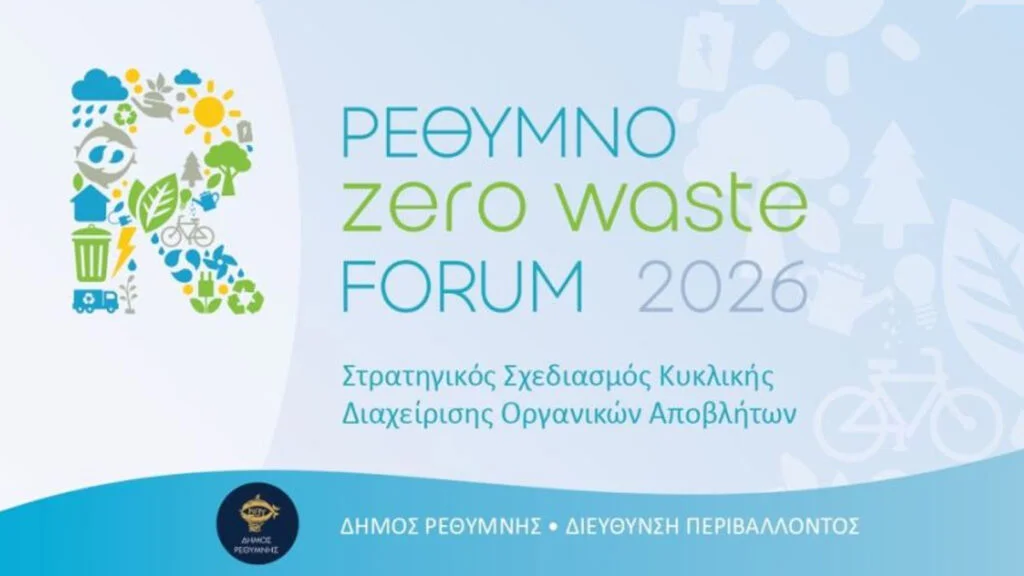
This commitment was powerfully demonstrated during the highly successful Zero Waste Forum 2026 , a two-day conference held at the state-of-the-art Theartemis Palace Conference Center .
Organized by the Municipality of Rethymno (Department of Environment) in collaboration with the R ethymno Hoteliers Association and the Rethymno Restaurant Associatio n, the event brought together government officials, local authorities, and industry leaders to tackle the critical challenge of organic waste management and sustainable hospitality.
The Challenge of Tomorrow - Bio-Waste and the Circular Economy
Managing bio-waste is the great challenge of the future for municipalities and businesses alike. Deputy Minister of Tourism, Anna Karamanli , officially opened the forum, emphasizing the vital importance of reducing food waste in the hospitality sector.
"Food waste means a loss of the resources required for its production and disposal," she noted. Speaking directly to island destinations like Crete, she added: "The protection of natural resources and the responsible management of water, energy, and waste are essential for the quality of life of residents and the long-term sustainability of tourism."
The Mayor of Rethymno, Giorgos Marinakis , who coordinated the first panel, reinforced this message: "The state, local government, and citizens are all responsible for waste management. It requires the cooperation of everyone."
From Sustainable Sourcing to a Zero-Waste Menu
The core goal for Crete’s tourism and restaurant sectors is to achieve sustainable hospitality by tackling waste at its "source." The second day of the forum focused on practical solutions under the theme: "Sustainable Hospitality: From Sustainable Sourcing to the Zero-Waste Menu."
Industry experts presented actionable practices for rational raw material management and connecting hospitality directly with local production. Key takeaways included:
Menu Engineering: Designing menus based on local, seasonal produce to reduce transport emissions and support local farmers.
Systematic Tracking: Monitoring food waste at every stage—from receiving and storage to preparation, buffets, and the final plate.
Staff Education: Investing in infrastructure and training kitchen and service staff to actively prevent waste.
The panel featured distinguished voices, including award-winning chef Lefteris Lazarou (Varoulko Seaside), Dimitris Kalaitzidakis (Director of Operations, Grecotel Hotels & Resorts), Nikos Koumnas (President of the Rethymno Hoteliers Association), Konstantinos Antoniou (Gefsinus Group), and Alexandros E. Stefanakis (Veterinarian and Scientific Director).
They concluded that Zero Food Waste practices are not just environmentally responsible; they are powerful tools to upgrade the visitor experience and increase business competitiveness without compromising quality.
Rethymno - A Premier Destination for M.I.C.E. and Sustainable Events
The success of the Zero Waste Forum 2026 perfectly highlights Rethymno’s growing reputation as a top-tier destination for M.I.C.E. (Meetings, Incentives, Conferences, and Exhibitions) tourism.
Choosing Rethymno for corporate events means choosing a city that aligns with modern corporate social responsibility (CSR) values. The city actively promotes eco-friendly initiatives, from its extensive network of bicycle paths and pedestrian-friendly historic center to its continuous efforts to reduce the environmental footprint of local businesses.
Rethymno combines high-end conference facilities—such as the fully equipped halls at Theartemis Palace and other luxury resorts—with an inspiring cultural backdrop. After a day of productive, forward-thinking discussions, delegates can step out to enjoy the famous Cretan Diet (the ultimate zero-waste, locally sourced cuisine), stroll along the Blue Flag-awarded beaches, and experience the legendary local hospitality.
By prioritizing sustainability, Rethymno proves that it is not just protecting its heritage for 2040; it is building a better, greener future for the global tourism industry right now.
To learn more about organizing your next conference in our beautiful city, visit our M.I.C.E. Planning Page, and discover our green initiatives at Sustainable Rethymno.
View the original article ↗
Rethymno Leads the Way in Sustainable Tourism with the Zero Waste Forum 2026
As the global tourism landscape evolves, the future of the industry depends on a crucial element: sustainability. Rethymno, long known for its stunning Venetian architecture, endless beaches, and authentic Cretan hospitality, is stepping up as a pioneer in green tourism.
This commitment was powerfully demonstrated during the highly successful Zero Waste Forum 2026 , a two-day conference held at the state-of-the-art Theartemis Palace Conference Center .
Organized by the Municipality of Rethymno (Department of Environment) in collaboration with the R ethymno Hoteliers Association and the Rethymno Restaurant Associatio n, the event brought together government officials, local authorities, and industry leaders to tackle the critical challenge of organic waste management and sustainable hospitality.
The Challenge of Tomorrow - Bio-Waste and the Circular Economy
Managing bio-waste is the great challenge of the future for municipalities and businesses alike. Deputy Minister of Tourism, Anna Karamanli , officially opened the forum, emphasizing the vital importance of reducing food waste in the hospitality sector.
"Food waste means a loss of the resources required for its production and disposal," she noted. Speaking directly to island destinations like Crete, she added: "The protection of natural resources and the responsible management of water, energy, and waste are essential for the quality of life of residents and the long-term sustainability of tourism."
The Mayor of Rethymno, Giorgos Marinakis , who coordinated the first panel, reinforced this message: "The state, local government, and citizens are all responsible for waste management. It requires the cooperation of everyone."
From Sustainable Sourcing to a Zero-Waste Menu
The core goal for Crete’s tourism and restaurant sectors is to achieve sustainable hospitality by tackling waste at its "source." The second day of the forum focused on practical solutions under the theme: "Sustainable Hospitality: From Sustainable Sourcing to the Zero-Waste Menu."
Industry experts presented actionable practices for rational raw material management and connecting hospitality directly with local production. Key takeaways included:
Menu Engineering: Designing menus based on local, seasonal produce to reduce transport emissions and support local farmers.
Systematic Tracking: Monitoring food waste at every stage—from receiving and storage to preparation, buffets, and the final plate.
Staff Education: Investing in infrastructure and training kitchen and service staff to actively prevent waste.
The panel featured distinguished voices, including award-winning chef Lefteris Lazarou (Varoulko Seaside), Dimitris Kalaitzidakis (Director of Operations, Grecotel Hotels & Resorts), Nikos Koumnas (President of the Rethymno Hoteliers Association), Konstantinos Antoniou (Gefsinus Group), and Alexandros E. Stefanakis (Veterinarian and Scientific Director).
They concluded that Zero Food Waste practices are not just environmentally responsible; they are powerful tools to upgrade the visitor experience and increase business competitiveness without compromising quality.
Rethymno - A Premier Destination for M.I.C.E. and Sustainable Events
The success of the Zero Waste Forum 2026 perfectly highlights Rethymno’s growing reputation as a top-tier destination for M.I.C.E. (Meetings, Incentives, Conferences, and Exhibitions) tourism.
Choosing Rethymno for corporate events means choosing a city that aligns with modern corporate social responsibility (CSR) values. The city actively promotes eco-friendly initiatives, from its extensive network of bicycle paths and pedestrian-friendly historic center to its continuous efforts to reduce the environmental footprint of local businesses.
Rethymno combines high-end conference facilities—such as the fully equipped halls at Theartemis Palace and other luxury resorts—with an inspiring cultural backdrop. After a day of productive, forward-thinking discussions, delegates can step out to enjoy the famous Cretan Diet (the ultimate zero-waste, locally sourced cuisine), stroll along the Blue Flag-awarded beaches, and experience the legendary local hospitality.
By prioritizing sustainability, Rethymno proves that it is not just protecting its heritage for 2040; it is building a better, greener future for the global tourism industry right now.
To learn more about organizing your next conference in our beautiful city, visit our M.I.C.E. Planning Page, and discover our green initiatives at Sustainable Rethymno.
Original source text
Zero Waste Forum 2026
Redefining Hospitality
Rethymno Leads the Way in Sustainable Tourism with the Zero Waste Forum 2026
As the global tourism landscape evolves, the future of the industry depends on a crucial element: sustainability. Rethymno, long known for its stunning Venetian architecture, endless beaches, and authentic Cretan hospitality, is stepping up as a pioneer in green tourism.
This commitment was powerfully demonstrated during the highly successful Zero Waste Forum 2026 , a two-day conference held at the state-of-the-art Theartemis Palace Conference Center .
Organized by the Municipality of Rethymno (Department of Environment) in collaboration with the R ethymno Hoteliers Association and the Rethymno Restaurant Associatio n, the event brought together government officials, local authorities, and industry leaders to tackle the critical challenge of organic waste management and sustainable hospitality.
The Challenge of Tomorrow - Bio-Waste and the Circular Economy
Managing bio-waste is the great challenge of the future for municipalities and businesses alike. Deputy Minister of Tourism, Anna Karamanli , officially opened the forum, emphasizing the vital importance of reducing food waste in the hospitality sector.
"Food waste means a loss of the resources required for its production and disposal," she noted. Speaking directly to island destinations like Crete, she added: "The protection of natural resources and the responsible management of water, energy, and waste are essential for the quality of life of residents and the long-term sustainability of tourism."
The Mayor of Rethymno, Giorgos Marinakis , who coordinated the first panel, reinforced this message: "The state, local government, and citizens are all responsible for waste management. It requires the cooperation of everyone."
From Sustainable Sourcing to a Zero-Waste Menu
The core goal for Crete’s tourism and restaurant sectors is to achieve sustainable hospitality by tackling waste at its "source." The second day of the forum focused on practical solutions under the theme: "Sustainable Hospitality: From Sustainable Sourcing to the Zero-Waste Menu."
Industry experts presented actionable practices for rational raw material management and connecting hospitality directly with local production. Key takeaways included:
Menu Engineering: Designing menus based on local, seasonal produce to reduce transport emissions and support local farmers.
Systematic Tracking: Monitoring food waste at every stage—from receiving and storage to preparation, buffets, and the final plate.
Staff Education: Investing in infrastructure and training kitchen and service staff to actively prevent waste.
The panel featured distinguished voices, including award-winning chef Lefteris Lazarou (Varoulko Seaside), Dimitris Kalaitzidakis (Director of Operations, Grecotel Hotels & Resorts), Nikos Koumnas (President of the Rethymno Hoteliers Association), Konstantinos Antoniou (Gefsinus Group), and Alexandros E. Stefanakis (Veterinarian and Scientific Director).
They concluded that Zero Food Waste practices are not just environmentally responsible; they are powerful tools to upgrade the visitor experience and increase business competitiveness without compromising quality.
Rethymno - A Premier Destination for M.I.C.E. and Sustainable Events
The success of the Zero Waste Forum 2026 perfectly highlights Rethymno’s growing reputation as a top-tier destination for M.I.C.E. (Meetings, Incentives, Conferences, and Exhibitions) tourism.
Choosing Rethymno for corporate events means choosing a city that aligns with modern corporate social responsibility (CSR) values. The city actively promotes eco-friendly initiatives, from its extensive network of bicycle paths and pedestrian-friendly historic center to its continuous efforts to reduce the environmental footprint of local businesses.
Rethymno combines high-end conference facilities—such as the fully equipped halls at Theartemis Palace and other luxury resorts—with an inspiring cultural backdrop. After a day of productive, forward-thinking discussions, delegates can step out to enjoy the famous Cretan Diet (the ultimate zero-waste, locally sourced cuisine), stroll along the Blue Flag-awarded beaches, and experience the legendary local hospitality.
By prioritizing sustainability, Rethymno proves that it is not just protecting its heritage for 2040; it is building a better, greener future for the global tourism industry right now.
To learn more about organizing your next conference in our beautiful city, visit our M.I.C.E. Planning Page, and discover our green initiatives at Sustainable Rethymno.