
news

- First scraped
- 01-08-2026 13:38
- Last seen
- 15-09-2026 12:37
- Last changed
- 26-08-2026 06:37
Bysantin kuvake Rethymnossa
Bysantin taiteen elollinen perinne RethymnossaRethymnon alueyksikkö, joka ulottuu Kreetanmeren hiekkarannalta Psiloritis-vuoren karuille huipuille, on täynnä uskonnollisia muistomerkkejä.Yli sen laaksojen, rotkojen ja perinteisten kylien sijaitsee yli 300 Bysantin aikakauden kirkkoja ja kymmeniä historiallisia luostareita.Kulttuurimatkaajalle nämä pyhät paikat eivät ole vain palvonnan paikkoja, vaan myös Bysantin ja bysantin jälkeisen taiteen gallerioita.
.Näissä hiljaisissa pyhäköissä seinät kertovat vuosisatoja vanhan tarinan freskojen ja kannettavien kuvakkeiden kautta.Tämä artikkeli tutkii historiaa, huolellinen tekniikoita, ja hienoimpia paikallisia esimerkkejä Bysantin ikonografia, että voit löytää koko Rethymnon alueella.
Kreetan koulun historia ja syntymäBysantin kuvake on teologinen kieli renderöity väri, muoto ja valo.Realistisen muotokuvan sijaan bysanttilainen taiteilija pyrkii vangitsemaan pyhien hahmojen muuttuneen, hengellisen olemuksen.
Bysantin alku- ja keskiajatKreetalla kristillisen taiteen alkuvuosille (iconoclasmin päättymisen jälkeen vuonna 843 jKr) oli ominaista ankara, ilmentyvä ja syvän hengellinen tyyli.Iconografit noudattivat ekumeenisten neuvostojen vahvistamia tiukkoja dogmaattisia sääntöjä.Luvut oli tyylitelty, kuvattu suurilla silmillä hengellisen näkökyvyn korostamiseksi ja asetettu syvän indigon tai kimaltavan kultalehden tasaisia taustoja vasten kuvaamaan taivaallisen maailman ajattomuutta.
.Konstantinopolin putous ja kreetan renessanssi
Määrittelevä luku Cretan ikonografia alkoi puolivälissä 15-luvulla.Konstantinopolin putouksen jälkeen vuonna 1453 monet Bysantin imperiumin hienoimmista taiteilijoista, tutkijoista ja teologien pakeni pääkaupungista. He etsivät turvapaikkaa Kreetalta, joka oli tuolloin venetsialaisen hallinnon alainen.
.Tämä historiallinen muuttoliike katalysoi Cretan School of Iconografian (15.17. vuosisadat).Tässä monikulttuurisessa ympäristössä perinteinen Bysantin teologia sekoittui realistisiin mittasuhteisiin, luonnon valaistukseen ja Italian renessanssin näkökulmaan.Cretan-työpajoista tuli kuuluisia koko Välimeren alueella, ja ne tuottivat teoksia Forma Grecassa (perinteinen Bysantin tyyli) ja formassa la la latinassa (länsi-influenssa).
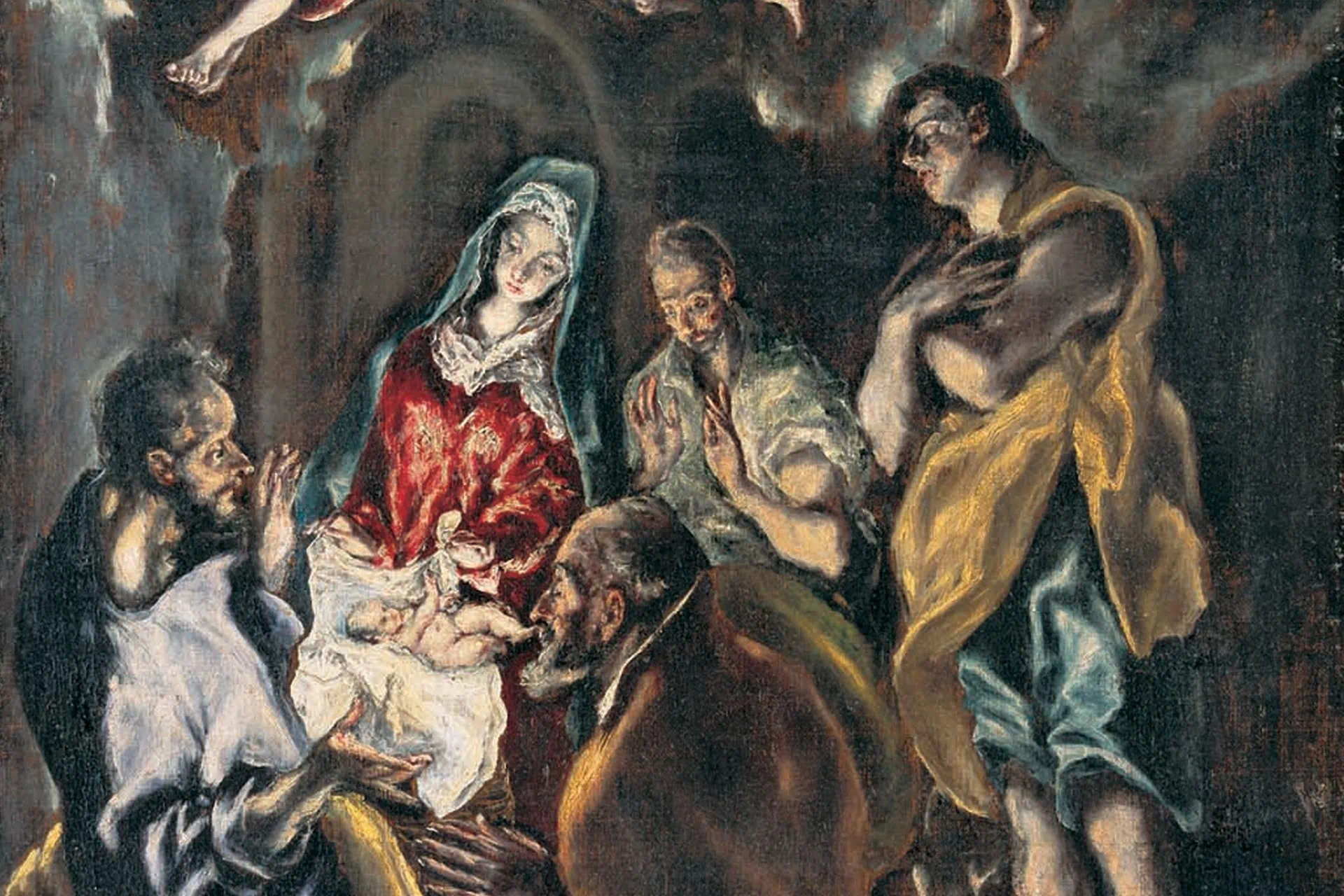
.Masters kuten Angelos Akotantos, Andreas Ritzos, Michael Damaskinos, ja lopulta Domenikos Theotokopoulos (josta tulisi maailmankuulu El Greco) nosti kreetan hagiografian kansainvälisesti arvostetuksi taidemuodoksi.
.Iconografin pyhät tekniikat
Perinteisen bysanttilaisen kuvakkeen luominen on hidas ja järjestelmällinen prosessi, joka on pysynyt suurelta osin muuttumattomana yli tuhat vuotta.Jokaisella askeleella on syvä symbolinen ja teologinen merkitys.
1. Tuki ja Gesso Ground
Kuvake alkaa maustetulla, poimunkestävällä puupaneelilla (tyypillisesti poppeli, mänty tai kalkkipuu).Paneelin etuosa on kaiverrettu hieman luodakseen syvennetyn rajan.
.Puu on valmistettu luonnon eläin-iholiimakerroksista, jotka on sekoitettu liidun tai marmoripölyn kanssa (gesso), ja tuloksena on täysin sileä, loistava valkoinen pinta, joka heijastaa valoa maalikerrosten alta.
2.Vesi Gilding (Kultalehti)
Ennen maalaamista ikonografi käyttää kultaista taustaa, joka edustaa Jumalan luomatonta valoa.Taiteilija harjata kerros punainen savitahnaa, nimeltään bole, päälle halo ja tausta. Kun bole on hiottu sileä, löysät levyt 22-24 karaatin kultainen lehti levitetään.Kulta kiillotetaan huolellisesti kiillotetulla akaattikivellä, jolloin mattapinta muuttuu peilimäiseksi viimeistelyksi.
3. Muna Tempera ja luonnon pigmentit
Tosi Bysantin kuvakkeet eivät käytä öljyä tai nykyaikaisia akryylimaaleja.Sen sijaan ne käyttävät muna tempera, medium, jossa yhdistyvät tuore munan keltuainen (sideaineena), valkoviini tai etikka (eheytymisen estämiseksi), ja kuiva mineraali ja maa pigmentit.
Paletti on syvästi symbolinen ja peräisin maasta:Lapis Lazuli (sininen) edustaa jumaluutta ja taivaallisia maailmoja.
Punainen Ochre (punainen) edustaa ihmisyyttä ja uhrauksia.
Vihreä Maa edustaa elämää ja uudistumista.
4. Maalaus pimeästä valoonToisin kuin länsimainen klassinen maalaus, joka käyttää ulkoisia valonlähteitä varjojen valamiseen, bysanttilainen kuvake maalataan pimeydestä valoon. Taiteilija aloittaa tummasta pohjakerroksesta nimeltä proplasma.Hitaasti, läpinäkyvät kerrokset vähitellen kevyempiä ääniä (kuvat ja psimythi) on rakennettu määritellä ominaisuuksia.Tämä tekniikka visuaalisesti osoittaa teologisen käsitteen sisäisestä, läpikuultavasta valosta, joka loistaa pyhän hahmon sisältä, sen sijaan että valo iskee heitä ulkopuolelta.
.Tärkeät Bysantin ikonografiakohteet Rethymnossa
Rethymnon maaseutu on upea "elävä museo."
.Jos haluat kokea kauneutta Bysantin seinämaalauksia ja historiallisia kuvakkeita paikan päällä, useat kirkot ja luostarit ovat erittäin suositeltavaa.
Rethymnon lähellä kaupunki: Chromonastiri & Agia IriniVain lyhyen ajomatkan etelään Rethymno, kylän Chromonastiri ja sen ympäristössä tarjoavat erinomaisia esimerkkejä varhaisen keskiaikaisen hagiografia:
Kirkko Agios Eftychios (Chromonastiri):Tämä yksinäinen ristikirkko on freskojen koti 1100-luvulta.Nämä edustavat joitakin varhaisimmista seinämaalauksia Kreetalla, jossa esitetään vakava, lineaarinen tyyli, joka edeltää pehmeämpiä, kerronta tyylejä myöhemmin Palaeologan Renessance .
Church of Panagia Kera (Chromastiri):Myös dating, 11 th century, tämä ristikirkko on merkittävä, erittäin tyylitelty kuvaukset Neitsyt Maria ja muut pyhimykset.
Agia Irinin luostari:Alunperin perustettu 14 th century ja kauniisti kunnostettu, tämä aktiivinen nunnia on olennainen pysähdys.Asukas nunnat edelleen harjoittaa antiikin taidetta perinteisen Bysantin ikonografia, joten se on ihana paikka tarkkailla, miten elävä perinne pyhän hagiografian on säilynyt tänään.
.Amarin laakso - Bysantin kreetan sydän
Rehevä Amarin laakso, joka sijaitsee Rethymnon kaakkoon, on poikkeuksellisen rikas Bysantin kappeleissa:
Panagian kirkko klo Thronos (olettamus Neitsyt):Rakennettu 4th-luvun basilikan jäännöksille, tämä pieni, 14th-luvun yksinäinen kirkko sisältää joitakin kuuluisimmista Palaeologan-tyylisistä freskoista Kreetalla.Taideteos on syvästi ilmeikäs, maalattu alkuperäisiä väriaineita kaksi erillistä 14-luvun taiteilijat . Etsi elegantti myöhään goottilainen oviaukko koristeltu vaakuna vaakuna käsivarret historiallisen Kallergis jalo perhe .
.Kirkko Saint Anna (Nefs Amari): Sijaitsee lähellä Opsigian kylää, tämä kappeli sisältää seinämaalauksia vuodelta 1225.Nämä ovat laajalti pidetään joitakin vanhimpia päivätty Bysantin freskot hengissä saarella Kreetalla.
Kirkko Panagia Mavridiani (Meronas):Sijaitsee rauhallisessa maisemassa lähellä Meronas, vanhin osa tämän kaksi-aisled kirkko juontaa juurensa 13 th century ja säilyttää silmiinpistävää, emotive frescoes kauden.
Panagian kirkko Patsoksella:Sijaitsee upeassa ympäristössä, tämä 14-luvun cross-in-neliön kupolikirkko sisältää hienostunut Palaeologan freskot alkuvuodesta 14-luvulla, osoittaa työtä poikkeuksellisen taiteellinen työpaja .
.Mylopotamosin alue
Pyhän Johanneksen kirkko (Agios Ioannis) Episkopissa, Mylopotamos:Alun perin 5th-luvun alussa kristillinen basilika, tämä sivusto remontoitu myöhään 13-luvulla suojeluksessa Alexios Kallergis.
.Huolimatta sää muistomerkki yli vuosisatojen, loput 14-luvun freskot (kuten Panagia Platytera ja kohtauksia helluntai ja ylösnousemus) ovat erittäin arvostettuja esimerkkejä Palaeologantaiteellista.Historialliset luostarit ja museot
Niille, jotka haluavat tarkastella erittäin merkittäviä kannettavia kuvakkeita Cretan School, alueen luostarimuseot tarjoavat erinomaisia kokoelmia:
Arkadin luostarin museo:Sen legendaarinen rooli Cretan historiassa, Arkadi oli elinvoimainen hengellinen ja koulutuskeskus.Sen remontoitu museo taloja erittäin arvostettu post-Bysantin kannettavat kuvakkeet, hieno puu kaiverrukset, ja kulta kirjailtu liturgical publics .
Prevelin luostarin museo:Sijaitsee dramaattisella etelärannikolla, museo Piso Preveli kompleksissa on arvokas kokoelma ikoneja ulottuu 17th ja 18th century .Siinä on myös kuuluisa, erittäin arvostettu hopea-gilt Pyhä Risti.
Rethymnon seurakunnan museo:Sijaitsee Rethymno. Vanha kaupunki, lähellä katedraalia, tämä museo sijaitsee tärkeä kokoelma paikallisia uskonnollisia jäänteitä, mukaan lukien harvinainen 16-luvun kuvakkeet, historialliset käsikirjoitukset, ja liturgical kohteita.
.The Living Tradition - Iconography Workshops tänään
Kuvakkeen taide on kaukana Rethymnon muinaisjäännöksestä; se on edelleen elinvoimainen, elävä alus sukupolvelta toiselle.Vierailijoille, jotka haluavat nähdä nämä muinaiset tekniikat toiminnassa, useat modernit työpajat tasoittavat kuilun historian ja nykypäivän välillä.Agia Irinin luostari, joka sijaitsee Rethymnon kukkuloilla, on näkyvä keskus, jossa nunnat tuottavat edelleen hienoja teoksia perinteisellä munatemperalla.Vanhan kaupungin sydämessä hagiografit pitävät kreetalaiskoulun perinnön elossa omistautuneiden studioiden kautta.
.Christopher Karaviotis toimii kuuluisassa työpajassa ja galleriassa, jossa hän ei ainoastaan luo museolaatuisia teoksia, vaan tarjoaa myös oppitunteja taidetta haluaville.Samoin Alexandra Icons tarjoaa erikoistuneita kuvaketyöpajoja, jotka tarjoavat opiskelijoille upokkaan kokemuksen veneen teologisesta ja teknisestä kurista.
.Näissä tiloissa matkaajat voivat tarkkailla huolellista " pimeästä valoon" -maalausprosessia ja oppia pyhästä geometriasta ja luonnollisista pigmenteistä, jotka ovat määrittäneet kreetalaista hengellistä taidetta yli puolen vuosituhannen ajan.
Lähde ↗
Bysantin taiteen elollinen perinne RethymnossaRethymnon alueyksikkö, joka ulottuu Kreetanmeren hiekkarannalta Psiloritis-vuoren karuille huipuille, on täynnä uskonnollisia muistomerkkejä.Yli sen laaksojen, rotkojen ja perinteisten kylien sijaitsee yli 300 Bysantin aikakauden kirkkoja ja kymmeniä historiallisia luostareita.Kulttuurimatkaajalle nämä pyhät paikat eivät ole vain palvonnan paikkoja, vaan myös Bysantin ja bysantin jälkeisen taiteen gallerioita.
.Näissä hiljaisissa pyhäköissä seinät kertovat vuosisatoja vanhan tarinan freskojen ja kannettavien kuvakkeiden kautta.Tämä artikkeli tutkii historiaa, huolellinen tekniikoita, ja hienoimpia paikallisia esimerkkejä Bysantin ikonografia, että voit löytää koko Rethymnon alueella.
Kreetan koulun historia ja syntymäBysantin kuvake on teologinen kieli renderöity väri, muoto ja valo.Realistisen muotokuvan sijaan bysanttilainen taiteilija pyrkii vangitsemaan pyhien hahmojen muuttuneen, hengellisen olemuksen.
Bysantin alku- ja keskiajatKreetalla kristillisen taiteen alkuvuosille (iconoclasmin päättymisen jälkeen vuonna 843 jKr) oli ominaista ankara, ilmentyvä ja syvän hengellinen tyyli.Iconografit noudattivat ekumeenisten neuvostojen vahvistamia tiukkoja dogmaattisia sääntöjä.Luvut oli tyylitelty, kuvattu suurilla silmillä hengellisen näkökyvyn korostamiseksi ja asetettu syvän indigon tai kimaltavan kultalehden tasaisia taustoja vasten kuvaamaan taivaallisen maailman ajattomuutta.
.Konstantinopolin putous ja kreetan renessanssi
Määrittelevä luku Cretan ikonografia alkoi puolivälissä 15-luvulla.Konstantinopolin putouksen jälkeen vuonna 1453 monet Bysantin imperiumin hienoimmista taiteilijoista, tutkijoista ja teologien pakeni pääkaupungista. He etsivät turvapaikkaa Kreetalta, joka oli tuolloin venetsialaisen hallinnon alainen.
.Tämä historiallinen muuttoliike katalysoi Cretan School of Iconografian (15.17. vuosisadat).Tässä monikulttuurisessa ympäristössä perinteinen Bysantin teologia sekoittui realistisiin mittasuhteisiin, luonnon valaistukseen ja Italian renessanssin näkökulmaan.Cretan-työpajoista tuli kuuluisia koko Välimeren alueella, ja ne tuottivat teoksia Forma Grecassa (perinteinen Bysantin tyyli) ja formassa la la latinassa (länsi-influenssa).
.Masters kuten Angelos Akotantos, Andreas Ritzos, Michael Damaskinos, ja lopulta Domenikos Theotokopoulos (josta tulisi maailmankuulu El Greco) nosti kreetan hagiografian kansainvälisesti arvostetuksi taidemuodoksi.
.Iconografin pyhät tekniikat
Perinteisen bysanttilaisen kuvakkeen luominen on hidas ja järjestelmällinen prosessi, joka on pysynyt suurelta osin muuttumattomana yli tuhat vuotta.Jokaisella askeleella on syvä symbolinen ja teologinen merkitys.
1. Tuki ja Gesso Ground
Kuvake alkaa maustetulla, poimunkestävällä puupaneelilla (tyypillisesti poppeli, mänty tai kalkkipuu).Paneelin etuosa on kaiverrettu hieman luodakseen syvennetyn rajan.
.Puu on valmistettu luonnon eläin-iholiimakerroksista, jotka on sekoitettu liidun tai marmoripölyn kanssa (gesso), ja tuloksena on täysin sileä, loistava valkoinen pinta, joka heijastaa valoa maalikerrosten alta.
2.Vesi Gilding (Kultalehti)
Ennen maalaamista ikonografi käyttää kultaista taustaa, joka edustaa Jumalan luomatonta valoa.Taiteilija harjata kerros punainen savitahnaa, nimeltään bole, päälle halo ja tausta. Kun bole on hiottu sileä, löysät levyt 22-24 karaatin kultainen lehti levitetään.Kulta kiillotetaan huolellisesti kiillotetulla akaattikivellä, jolloin mattapinta muuttuu peilimäiseksi viimeistelyksi.
3. Muna Tempera ja luonnon pigmentit
Tosi Bysantin kuvakkeet eivät käytä öljyä tai nykyaikaisia akryylimaaleja.Sen sijaan ne käyttävät muna tempera, medium, jossa yhdistyvät tuore munan keltuainen (sideaineena), valkoviini tai etikka (eheytymisen estämiseksi), ja kuiva mineraali ja maa pigmentit.
Paletti on syvästi symbolinen ja peräisin maasta:Lapis Lazuli (sininen) edustaa jumaluutta ja taivaallisia maailmoja.
Punainen Ochre (punainen) edustaa ihmisyyttä ja uhrauksia.
Vihreä Maa edustaa elämää ja uudistumista.
4. Maalaus pimeästä valoonToisin kuin länsimainen klassinen maalaus, joka käyttää ulkoisia valonlähteitä varjojen valamiseen, bysanttilainen kuvake maalataan pimeydestä valoon. Taiteilija aloittaa tummasta pohjakerroksesta nimeltä proplasma.Hitaasti, läpinäkyvät kerrokset vähitellen kevyempiä ääniä (kuvat ja psimythi) on rakennettu määritellä ominaisuuksia.Tämä tekniikka visuaalisesti osoittaa teologisen käsitteen sisäisestä, läpikuultavasta valosta, joka loistaa pyhän hahmon sisältä, sen sijaan että valo iskee heitä ulkopuolelta.
.Tärkeät Bysantin ikonografiakohteet Rethymnossa
Rethymnon maaseutu on upea "elävä museo."
.Jos haluat kokea kauneutta Bysantin seinämaalauksia ja historiallisia kuvakkeita paikan päällä, useat kirkot ja luostarit ovat erittäin suositeltavaa.
Rethymnon lähellä kaupunki: Chromonastiri & Agia IriniVain lyhyen ajomatkan etelään Rethymno, kylän Chromonastiri ja sen ympäristössä tarjoavat erinomaisia esimerkkejä varhaisen keskiaikaisen hagiografia:
Kirkko Agios Eftychios (Chromonastiri):Tämä yksinäinen ristikirkko on freskojen koti 1100-luvulta.Nämä edustavat joitakin varhaisimmista seinämaalauksia Kreetalla, jossa esitetään vakava, lineaarinen tyyli, joka edeltää pehmeämpiä, kerronta tyylejä myöhemmin Palaeologan Renessance .
Church of Panagia Kera (Chromastiri):Myös dating, 11 th century, tämä ristikirkko on merkittävä, erittäin tyylitelty kuvaukset Neitsyt Maria ja muut pyhimykset.
Agia Irinin luostari:Alunperin perustettu 14 th century ja kauniisti kunnostettu, tämä aktiivinen nunnia on olennainen pysähdys.Asukas nunnat edelleen harjoittaa antiikin taidetta perinteisen Bysantin ikonografia, joten se on ihana paikka tarkkailla, miten elävä perinne pyhän hagiografian on säilynyt tänään.
.Amarin laakso - Bysantin kreetan sydän
Rehevä Amarin laakso, joka sijaitsee Rethymnon kaakkoon, on poikkeuksellisen rikas Bysantin kappeleissa:
Panagian kirkko klo Thronos (olettamus Neitsyt):Rakennettu 4th-luvun basilikan jäännöksille, tämä pieni, 14th-luvun yksinäinen kirkko sisältää joitakin kuuluisimmista Palaeologan-tyylisistä freskoista Kreetalla.Taideteos on syvästi ilmeikäs, maalattu alkuperäisiä väriaineita kaksi erillistä 14-luvun taiteilijat . Etsi elegantti myöhään goottilainen oviaukko koristeltu vaakuna vaakuna käsivarret historiallisen Kallergis jalo perhe .
.Kirkko Saint Anna (Nefs Amari): Sijaitsee lähellä Opsigian kylää, tämä kappeli sisältää seinämaalauksia vuodelta 1225.Nämä ovat laajalti pidetään joitakin vanhimpia päivätty Bysantin freskot hengissä saarella Kreetalla.
Kirkko Panagia Mavridiani (Meronas):Sijaitsee rauhallisessa maisemassa lähellä Meronas, vanhin osa tämän kaksi-aisled kirkko juontaa juurensa 13 th century ja säilyttää silmiinpistävää, emotive frescoes kauden.
Panagian kirkko Patsoksella:Sijaitsee upeassa ympäristössä, tämä 14-luvun cross-in-neliön kupolikirkko sisältää hienostunut Palaeologan freskot alkuvuodesta 14-luvulla, osoittaa työtä poikkeuksellisen taiteellinen työpaja .
.Mylopotamosin alue
Pyhän Johanneksen kirkko (Agios Ioannis) Episkopissa, Mylopotamos:Alun perin 5th-luvun alussa kristillinen basilika, tämä sivusto remontoitu myöhään 13-luvulla suojeluksessa Alexios Kallergis.
.Huolimatta sää muistomerkki yli vuosisatojen, loput 14-luvun freskot (kuten Panagia Platytera ja kohtauksia helluntai ja ylösnousemus) ovat erittäin arvostettuja esimerkkejä Palaeologantaiteellista.Historialliset luostarit ja museot
Niille, jotka haluavat tarkastella erittäin merkittäviä kannettavia kuvakkeita Cretan School, alueen luostarimuseot tarjoavat erinomaisia kokoelmia:
Arkadin luostarin museo:Sen legendaarinen rooli Cretan historiassa, Arkadi oli elinvoimainen hengellinen ja koulutuskeskus.Sen remontoitu museo taloja erittäin arvostettu post-Bysantin kannettavat kuvakkeet, hieno puu kaiverrukset, ja kulta kirjailtu liturgical publics .
Prevelin luostarin museo:Sijaitsee dramaattisella etelärannikolla, museo Piso Preveli kompleksissa on arvokas kokoelma ikoneja ulottuu 17th ja 18th century .Siinä on myös kuuluisa, erittäin arvostettu hopea-gilt Pyhä Risti.
Rethymnon seurakunnan museo:Sijaitsee Rethymno. Vanha kaupunki, lähellä katedraalia, tämä museo sijaitsee tärkeä kokoelma paikallisia uskonnollisia jäänteitä, mukaan lukien harvinainen 16-luvun kuvakkeet, historialliset käsikirjoitukset, ja liturgical kohteita.
.The Living Tradition - Iconography Workshops tänään
Kuvakkeen taide on kaukana Rethymnon muinaisjäännöksestä; se on edelleen elinvoimainen, elävä alus sukupolvelta toiselle.Vierailijoille, jotka haluavat nähdä nämä muinaiset tekniikat toiminnassa, useat modernit työpajat tasoittavat kuilun historian ja nykypäivän välillä.Agia Irinin luostari, joka sijaitsee Rethymnon kukkuloilla, on näkyvä keskus, jossa nunnat tuottavat edelleen hienoja teoksia perinteisellä munatemperalla.Vanhan kaupungin sydämessä hagiografit pitävät kreetalaiskoulun perinnön elossa omistautuneiden studioiden kautta.
.Christopher Karaviotis toimii kuuluisassa työpajassa ja galleriassa, jossa hän ei ainoastaan luo museolaatuisia teoksia, vaan tarjoaa myös oppitunteja taidetta haluaville.Samoin Alexandra Icons tarjoaa erikoistuneita kuvaketyöpajoja, jotka tarjoavat opiskelijoille upokkaan kokemuksen veneen teologisesta ja teknisestä kurista.
.Näissä tiloissa matkaajat voivat tarkkailla huolellista " pimeästä valoon" -maalausprosessia ja oppia pyhästä geometriasta ja luonnollisista pigmenteistä, jotka ovat määrittäneet kreetalaista hengellistä taidetta yli puolen vuosituhannen ajan.
Original source text
Byzantine Iconography in
Byzantine Iconography in Rethymno
The Living Tradition of Byzantine Art in Rethymno
The regional unit of Rethymno, stretching from the sandy shores of the Cretan Sea to the rugged peaks of Mount Psiloritis, is home to a rich collection of religious monuments. Across its valleys, gorges, and traditional villages lie over 300 Byzantine-era churches and dozens of historic monasteries. For the cultural traveler, these sacred sites are not only places of worship, but also living galleries of Byzantine and Post-Byzantine art.
Within these quiet sanctuaries, the walls tell a centuries-old story through frescoes and portable icons. This article explores the history, meticulous techniques, and finest local examples of Byzantine iconography that you can discover throughout the Rethymno region.
The History and the Birth of the "Cretan School"
Byzantine iconography is a theological language rendered in color, form, and light. Rather than aiming for realistic portraiture, the Byzantine artist seeks to capture the transfigured, spiritual essence of the holy figures.
The Early and Middle Byzantine Periods
In Crete, the early centuries of Christian art (following the end of Iconoclasm in 843 AD) were characterized by a severe, expressive, and deeply spiritual style. Iconographers adhered to strict dogmatic rules established by the Ecumenical Councils. Figures were stylized, depicted with large eyes to emphasize spiritual sight, and set against flat backgrounds of deep indigo or shimmering gold leaf to denote the timelessness of the heavenly realm.
The Fall of Constantinople and the Cretan Renaissance
The defining chapter of Cretan iconography began in the mid-15th century. Following the Fall of Constantinople in 1453, many of the Byzantine Empire’s finest artists, scholars, and theologians fled the capital. They sought refuge in Crete, which was then under Venetian administration.
This historical migration catalyzed the Cretan School of Iconography (15th–17th centuries). In this multicultural environment, traditional Byzantine theology blended with the realistic proportions, natural lighting, and perspective of the Italian Renaissance. Cretan workshops became famous throughout the Mediterranean, producing works in forma greca (traditional Byzantine style) and in forma a la latina (Western-influenced style).
Masters like Angelos Akotantos, Andreas Ritzos, Michael Damaskinos, and eventually Domenikos Theotokopoulos (who would become world-famous as El Greco) raised Cretan hagiography to an internationally revered art form.
The Sacred Techniques of the Iconographer
The creation of a traditional Byzantine icon is a slow, methodical process that has remained largely unchanged for more than a thousand years. Each step carries profound symbolic and theological meaning.
1. The Support and the Gesso Ground
An icon begins with a seasoned, warp-resistant wooden panel (typically poplar, pine, or lime wood). The front of the panel is carved slightly to create a recessed border—symbolizing the boundary between the physical world and the spiritual world depicted within.
The wood is primed with layers of natural animal-skin glue mixed with chalk or marble dust (known as gesso), producing a perfectly smooth, brilliant white surface that reflects light from beneath the paint layers.
2. Water Gilding (Gold Leaf)
Before painting, the iconographer applies the gold background, which represents the uncreated light of God. The artist brushes a layer of red clay paste, called bole, onto the halo and background. After the bole is sanded smooth, loose sheets of 22 to 24-carat gold leaf are applied. The gold is carefully burnished with a polished agate stone, turning the matte surface into a mirror-like finish.
3. Egg Tempera and Natural Pigments
True Byzantine icons do not use oil or modern acrylic paints. Instead, they use egg tempera, a medium combining fresh egg yolk (as a binder), white wine or vinegar (to prevent spoilage), and dry mineral and earth pigments.
The palette is deeply symbolic and derived from the earth:
Lapis Lazuli (blue) represents divinity and the heavenly realms.
Red Ochre (red) represents humanity and sacrifice.
Green Earth (green) represents life and renewal.
4. Painting from Dark to Light
Unlike Western classical painting, which uses external light sources to cast shadows, a Byzantine icon is painted from darkness to light. The artist starts with a dark foundation layer called the proplasma. Slowly, transparent layers of progressively lighter tones (the graphems and psimythi) are built up to define features. This technique visually demonstrates the theological concept of inner, transfiguring light shining out from within the holy figure, rather than light hitting them from the outside.
Important Byzantine Iconography Sites in Rethymno
The countryside of Rethymno is a magnificent "living museum".
If you wish to experience the beauty of Byzantine wall paintings and historic icons in situ, several churches and monasteries are highly recommended.
Near Rethymno Town: Chromonastiri & Agia Irini
Just a short drive south of Rethymno, the village of Chromonastiri and its surroundings offer excellent examples of early medieval hagiography :
Church of Agios Eftychios (Chromonastiri) : This single-aisled, cruciform, domed church is home to frescoes dating back to the 11th century . These represent some of the earliest wall paintings in Crete, displaying a severe, linear style that predates the softer, narrative styles of the later Palaeologan Renaissance .
Church of Panagia Kera (Chromonastiri) : Also dating to the 11th century, this cruciform church features remarkable, highly stylized depictions of the Virgin Mary and other saints .
Monastery of Agia Irini : Originally founded in the 14th century and beautifully restored, this active nunnery is an essential stop . The resident nuns continue to practice the ancient art of traditional Byzantine iconography, making it a wonderful place to observe how the living tradition of holy hagiography is preserved today .
The Amari Valley - The Heart of Byzantine Crete
The lush Amari Valley, located southeast of Rethymno town, is exceptionally rich in Byzantine chapels :
Church of Panagia at Thronos (Assumption of the Virgin) : Built on the remains of a 4th-century basilica, this small, 14th-century single-aisled church contains some of the most famous Palaeologan-style frescoes in Crete . The artwork is deeply expressive, painted with indigenous dyes by two distinct 14th-century artists . Look for the elegant late-Gothic doorway decorated with the coat of arms of the historic Kallergis noble family .
Church of Saint Anna (Nefs Amari) : Located near the village of Opsigia, this chapel features wall paintings dating to 1225 . These are widely considered to be some of the oldest dated Byzantine frescoes surviving on the island of Crete .
Church of Panagia Mavridiani (Meronas) : Positioned in a serene landscape near Meronas, the oldest part of this two-aisled church dates back to the 13th century and preserves striking, emotive frescoes of the period .
Church of Panagia at Patsos : Located in a spectacular setting, this 14th-century cross-in-square domed church contains refined Palaeologan frescoes from the early 14th century, demonstrating the work of an exceptional artistic workshop .
Mylopotamos Region
Church of Saint John (Agios Ioannis) at Episkopi, Mylopotamos : Originally a 5th-century early Christian basilica, this site was reconstructed in the late 13th century under the patronage of Alexios Kallergis .
Despite the weathering of the monument over the centuries, the remaining 14th-century frescoes (such as the Panagia Platytera and scenes of the Pentecost and Ascension ) are highly regarded examples of Palaeologan artistry .
Historic Monasteries and Museums
For those wishing to view highly significant portable icons of the Cretan School, the region's monastic museums offer outstanding collections :
Arkadi Monastery Museum : Beyond its legendary role in Cretan history, Arkadi was a vibrant spiritual and educational center . Its renovated museum houses highly prized post-Byzantine portable icons, elaborate wood carvings, and gold-embroidered liturgical vestments .
Preveli Monastery Museum : Located on the dramatic southern coast, the museum at the Piso Preveli complex holds a valuable collection of icons spanning from the 17th to the 19th centuries . It also houses the famous, highly revered silver-gilt Holy Cross .
The Ecclesiastical Museum of Rethymno : Situated in Rethymno’s Old Town, near the Cathedral, this museum houses an important collection of local religious relics, including rare 16th-century icons, historical manuscripts, and liturgical items .
The Living Tradition - Iconography Workshops Today
The art of the icon is far from a relic of the past in Rethymno; it remains a vibrant, living craft passed down through generations. For visitors who wish to see these ancient techniques in action, several modern workshops bridge the gap between history and the present day. The Monastery of Agia Irini , perched on the hills overlooking Rethymno, is a prominent center where the resident nuns continue to produce exquisite works using traditional egg tempera. In the heart of the Old Town, master hagiographers keep the Cretan School's legacy alive through dedicated studios.
Christopher Karaviotis operates a renowned workshop and gallery, where she not only creates museum-quality pieces but also offers lessons to those eager to learn the art. Similarly, Alexandra Icons offers specialized iconography workshops, providing students with an immersive experience in the theological and technical discipline of the craft.
In these spaces, travelers can observe the meticulous "dark-to-light" painting process and learn about the sacred geometry and natural pigments that have defined Cretan spiritual art for over half a millennium.
The Living Tradition of Byzantine Art in Rethymno
The regional unit of Rethymno, stretching from the sandy shores of the Cretan Sea to the rugged peaks of Mount Psiloritis, is home to a rich collection of religious monuments. Across its valleys, gorges, and traditional villages lie over 300 Byzantine-era churches and dozens of historic monasteries. For the cultural traveler, these sacred sites are not only places of worship, but also living galleries of Byzantine and Post-Byzantine art.
Within these quiet sanctuaries, the walls tell a centuries-old story through frescoes and portable icons. This article explores the history, meticulous techniques, and finest local examples of Byzantine iconography that you can discover throughout the Rethymno region.
The History and the Birth of the "Cretan School"
Byzantine iconography is a theological language rendered in color, form, and light. Rather than aiming for realistic portraiture, the Byzantine artist seeks to capture the transfigured, spiritual essence of the holy figures.
The Early and Middle Byzantine Periods
In Crete, the early centuries of Christian art (following the end of Iconoclasm in 843 AD) were characterized by a severe, expressive, and deeply spiritual style. Iconographers adhered to strict dogmatic rules established by the Ecumenical Councils. Figures were stylized, depicted with large eyes to emphasize spiritual sight, and set against flat backgrounds of deep indigo or shimmering gold leaf to denote the timelessness of the heavenly realm.
The Fall of Constantinople and the Cretan Renaissance
The defining chapter of Cretan iconography began in the mid-15th century. Following the Fall of Constantinople in 1453, many of the Byzantine Empire’s finest artists, scholars, and theologians fled the capital. They sought refuge in Crete, which was then under Venetian administration.
This historical migration catalyzed the Cretan School of Iconography (15th–17th centuries). In this multicultural environment, traditional Byzantine theology blended with the realistic proportions, natural lighting, and perspective of the Italian Renaissance. Cretan workshops became famous throughout the Mediterranean, producing works in forma greca (traditional Byzantine style) and in forma a la latina (Western-influenced style).
Masters like Angelos Akotantos, Andreas Ritzos, Michael Damaskinos, and eventually Domenikos Theotokopoulos (who would become world-famous as El Greco) raised Cretan hagiography to an internationally revered art form.
The Sacred Techniques of the Iconographer
The creation of a traditional Byzantine icon is a slow, methodical process that has remained largely unchanged for more than a thousand years. Each step carries profound symbolic and theological meaning.
1. The Support and the Gesso Ground
An icon begins with a seasoned, warp-resistant wooden panel (typically poplar, pine, or lime wood). The front of the panel is carved slightly to create a recessed border—symbolizing the boundary between the physical world and the spiritual world depicted within.
The wood is primed with layers of natural animal-skin glue mixed with chalk or marble dust (known as gesso), producing a perfectly smooth, brilliant white surface that reflects light from beneath the paint layers.
2. Water Gilding (Gold Leaf)
Before painting, the iconographer applies the gold background, which represents the uncreated light of God. The artist brushes a layer of red clay paste, called bole, onto the halo and background. After the bole is sanded smooth, loose sheets of 22 to 24-carat gold leaf are applied. The gold is carefully burnished with a polished agate stone, turning the matte surface into a mirror-like finish.
3. Egg Tempera and Natural Pigments
True Byzantine icons do not use oil or modern acrylic paints. Instead, they use egg tempera, a medium combining fresh egg yolk (as a binder), white wine or vinegar (to prevent spoilage), and dry mineral and earth pigments.
The palette is deeply symbolic and derived from the earth:
Lapis Lazuli (blue) represents divinity and the heavenly realms.
Red Ochre (red) represents humanity and sacrifice.
Green Earth (green) represents life and renewal.
4. Painting from Dark to Light
Unlike Western classical painting, which uses external light sources to cast shadows, a Byzantine icon is painted from darkness to light. The artist starts with a dark foundation layer called the proplasma. Slowly, transparent layers of progressively lighter tones (the graphems and psimythi) are built up to define features. This technique visually demonstrates the theological concept of inner, transfiguring light shining out from within the holy figure, rather than light hitting them from the outside.
Important Byzantine Iconography Sites in Rethymno
The countryside of Rethymno is a magnificent "living museum".
If you wish to experience the beauty of Byzantine wall paintings and historic icons in situ, several churches and monasteries are highly recommended.
Near Rethymno Town: Chromonastiri & Agia Irini
Just a short drive south of Rethymno, the village of Chromonastiri and its surroundings offer excellent examples of early medieval hagiography :
Church of Agios Eftychios (Chromonastiri) : This single-aisled, cruciform, domed church is home to frescoes dating back to the 11th century . These represent some of the earliest wall paintings in Crete, displaying a severe, linear style that predates the softer, narrative styles of the later Palaeologan Renaissance .
Church of Panagia Kera (Chromonastiri) : Also dating to the 11th century, this cruciform church features remarkable, highly stylized depictions of the Virgin Mary and other saints .
Monastery of Agia Irini : Originally founded in the 14th century and beautifully restored, this active nunnery is an essential stop . The resident nuns continue to practice the ancient art of traditional Byzantine iconography, making it a wonderful place to observe how the living tradition of holy hagiography is preserved today .
The Amari Valley - The Heart of Byzantine Crete
The lush Amari Valley, located southeast of Rethymno town, is exceptionally rich in Byzantine chapels :
Church of Panagia at Thronos (Assumption of the Virgin) : Built on the remains of a 4th-century basilica, this small, 14th-century single-aisled church contains some of the most famous Palaeologan-style frescoes in Crete . The artwork is deeply expressive, painted with indigenous dyes by two distinct 14th-century artists . Look for the elegant late-Gothic doorway decorated with the coat of arms of the historic Kallergis noble family .
Church of Saint Anna (Nefs Amari) : Located near the village of Opsigia, this chapel features wall paintings dating to 1225 . These are widely considered to be some of the oldest dated Byzantine frescoes surviving on the island of Crete .
Church of Panagia Mavridiani (Meronas) : Positioned in a serene landscape near Meronas, the oldest part of this two-aisled church dates back to the 13th century and preserves striking, emotive frescoes of the period .
Church of Panagia at Patsos : Located in a spectacular setting, this 14th-century cross-in-square domed church contains refined Palaeologan frescoes from the early 14th century, demonstrating the work of an exceptional artistic workshop .
Mylopotamos Region
Church of Saint John (Agios Ioannis) at Episkopi, Mylopotamos : Originally a 5th-century early Christian basilica, this site was reconstructed in the late 13th century under the patronage of Alexios Kallergis .
Despite the weathering of the monument over the centuries, the remaining 14th-century frescoes (such as the Panagia Platytera and scenes of the Pentecost and Ascension ) are highly regarded examples of Palaeologan artistry .
Historic Monasteries and Museums
For those wishing to view highly significant portable icons of the Cretan School, the region's monastic museums offer outstanding collections :
Arkadi Monastery Museum : Beyond its legendary role in Cretan history, Arkadi was a vibrant spiritual and educational center . Its renovated museum houses highly prized post-Byzantine portable icons, elaborate wood carvings, and gold-embroidered liturgical vestments .
Preveli Monastery Museum : Located on the dramatic southern coast, the museum at the Piso Preveli complex holds a valuable collection of icons spanning from the 17th to the 19th centuries . It also houses the famous, highly revered silver-gilt Holy Cross .
The Ecclesiastical Museum of Rethymno : Situated in Rethymno’s Old Town, near the Cathedral, this museum houses an important collection of local religious relics, including rare 16th-century icons, historical manuscripts, and liturgical items .
The Living Tradition - Iconography Workshops Today
The art of the icon is far from a relic of the past in Rethymno; it remains a vibrant, living craft passed down through generations. For visitors who wish to see these ancient techniques in action, several modern workshops bridge the gap between history and the present day. The Monastery of Agia Irini , perched on the hills overlooking Rethymno, is a prominent center where the resident nuns continue to produce exquisite works using traditional egg tempera. In the heart of the Old Town, master hagiographers keep the Cretan School's legacy alive through dedicated studios.
Christopher Karaviotis operates a renowned workshop and gallery, where she not only creates museum-quality pieces but also offers lessons to those eager to learn the art. Similarly, Alexandra Icons offers specialized iconography workshops, providing students with an immersive experience in the theological and technical discipline of the craft.
In these spaces, travelers can observe the meticulous "dark-to-light" painting process and learn about the sacred geometry and natural pigments that have defined Cretan spiritual art for over half a millennium.