
news

- First scraped
- 01-08-2026 13:38
- Last seen
- 15-09-2026 12:37
- Last changed
- 26-08-2026 06:37
Ikonografia bizantyńska w Retymnie
Żywa tradycja sztuki bizantyjskiej w RetymnieRegionalna jednostka Rethymno, rozciągająca się od piaszczystych brzegów Morza Creteńskiego do surowych szczytów Góry Psiloritis, jest domem bogatej kolekcji zabytków religijnych.Przez doliny, nory i tradycyjne wioski znajdują się ponad 300 kościołów Bizantyneera i dziesiątki historycznych klasztorów.Dla podróżnika kulturalnego te święte miejsca to nie tylko miejsca kultu, ale także żyjące galerie sztuki bizantyjskiej i postbizantyjskiej.
.W tych cichych sanktuariach, ściany opowiadają wieczną historię poprzez freski i przenośne ikony.Ten artykuł bada historię, drobiazgowe techniki i najlepsze lokalne przykłady bizantyjskiej ikonografii, które można odkryć w całym regionie Rethymno.
Historia i narodziny "Cretan School"Bizantyjska ikonografia jest językiem teologicznym w kolorze, formie i świetle.Artysta bizantyjski, zamiast dążyć do realnego portretu, dąży do uchwycenia przerobionej, duchowej istoty świętych figur.
Okresy wczesnego i środkowego bizantyjskiegoNa Krecie wczesne stulecia sztuki chrześcijańskiej (po zakończeniu Ikonoklazmu w 843 r. n.e.) charakteryzowały się ciężkim, wyrazistym i głęboko duchowym stylem.Ikonografowie przestrzegali ścisłych zasad dogmatycznych ustanowionych przez rady ekumeniczne.Figury były stylizowane, przedstawiane dużymi oczami, aby podkreślić duchowy wzrok, i ustawione na płaskim tle głębokiego indygo lub błyszczącego liścia złota, aby określić ponadczasowość królestwa niebieskiego.
.Upadek Konstantynopola i renesansu Kreteńskiego
Rozdział definiujący kreteńską ikonografię rozpoczął się w połowie XV wieku.Po upadku Konstantynopola w 1453 roku wielu najlepszych artystów, uczonych i teologów Bizantyńskiego Imperium uciekło z stolicy. Szukali schronienia na Krecie, która wtedy była pod wenecką administracją.
.Ta historyczna migracja katalizowała Cretan School of Iconography (15. - 17. wiek).W tym wielokulturowym środowisku tradycyjna teologia bizantyjska mieszała się z realistycznymi proporcjami, naturalnym oświetleniem i perspektywą włoskiego renesansu.Warsztaty kretańskie stały się sławne w całym regionie Morza Śródziemnego, produkując utwory w formie greca (tradycyjny bizantyjski styl) oraz forma a la latynoski (zachodni styl wpływający).
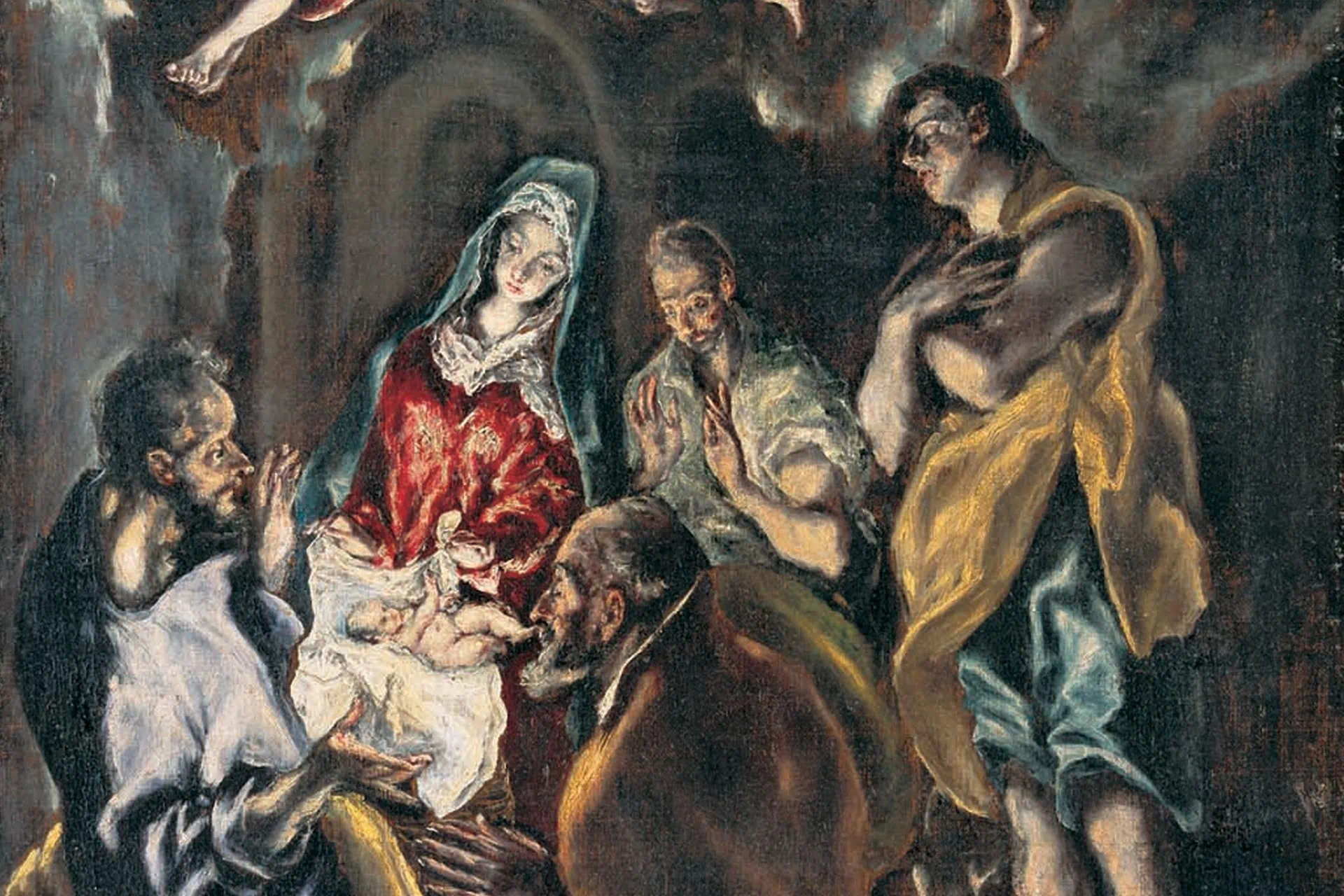
.Mistrzowie tacy jak Angelos Akotantos, Andreas Ritzos, Michael Damaskinos, i ostatecznie Domenikos Theotokopoulos (który stał się światowej sławy jako El Greco) podniósł hagiografię Cretan do światowej sławy formy sztuki.
.Święte techniki ikonografa
Stworzenie tradycyjnej ikony bizantyjskiej jest powolnym, metodycznym procesem, który pozostał w dużej mierze niezmieniony od ponad tysiąca lat.Każdy krok ma głębokie znaczenie symboliczne i teologiczne.
1. Wsparcie i Gesso Ground
Ikona zaczyna się od zaprawionego, odpornego na warpy drewnianego panelu (zazwyczaj topolarnego, sosnowego lub limonkowego).Przód panelu jest lekko wyrzeźbiony, aby stworzyć zakorzenioną granicę - symbolizującą granicę między światem fizycznym a światem duchowym, w którym się znajduje.
.Drewno jest zagruntowane warstwami naturalnego kleju ze skóry zwierzęcej zmieszanego z kredą lub kurzem marmurowym (znanym jako gesso), wytwarzając doskonale gładką, błyszczącą białą powierzchnię, która odbija światło spod warstw farby.
2.Gilding wodny (Gold Leaf)
Przed malowaniem ikonograf stosuje złote tło, które reprezentuje niestworzone światło Boga.Artysta szczotkuje warstwę czerwonej gliny, zwanej bole, na halo i tło. Po szlifowaniu bole gładkie, luźne arkusze 22 do 24-karatowy złoty liść są stosowane.Złoto jest starannie czernione polerowanym agatem, zmieniając matową powierzchnię w lustrzane wykończenie.
3. Temperatura jaja i naturalne pigmenty
Prawdziwe ikony bizantyjskie nie używają oleju ani nowoczesnych farb akrylowych.Zamiast tego używają jaj tempera, medium łączące świeże żółtko jaj (jako spoiwo), białe wino lub ocet (aby zapobiec zepsuciu), oraz suche pigmenty mineralne i ziemne.
Paleta jest głęboko symboliczna i pochodzi z ziemi:Lapis Lazuli (niebieski) reprezentuje boskość i niebiańskie królestwa.
Czerwony Ochre (czerwony) reprezentuje ludzkość i poświęcenie.
Zielona Ziemia (zielona) reprezentuje życie i odnowienie.
4. Malowanie od ciemności do światłaW przeciwieństwie do zachodniego malarstwa klasycznego, który wykorzystuje zewnętrzne źródła światła do rzucania cieni, bizantyjska ikona malowana jest od ciemności do światła. Artysta zaczyna od ciemnej warstwy fundamentowej zwanej proplazmą.Powoli, przezroczyste warstwy stopniowo lżejszych tonów (grafemy i psimythi) są budowane w celu zdefiniowania funkcji.Technika ta ukazuje wizualnie teologiczną koncepcję wewnętrznego, przekształcającego światła świecącego z wnętrza świętej figury, a nie światła uderzającego w nie z zewnątrz.
.Ważne miejsca ikonografii bizantyjskiej w Retymnie
Krajobraz Rethymno jest wspaniałym "żywym muzeum".
.Jeśli chcesz doświadczyć piękna bizantyjskich obrazów ściennych i historycznych ikon in situ, kilka kościołów i klasztorów są bardzo zalecane.
Niedaleko Rethymno Town: Chromonastiri & Agia IriniKrótka droga na południe od Rethymno, wioski Chromonastiri i okolic oferuje doskonałe przykłady wczesnej średniowiecznej hagiografii:
Kościół Agios Eftychios (Chromonastiri):Ten jednoalejowany, ukrzyżowany, kodowany kościół jest domem dla fresków z XI wieku.Przedstawiają one niektóre z najwcześniejszych obrazów ściennych na Krecie, przedstawiające ostry, liniowy styl, który poprzedza łagodniejsze, narracyjne style późniejszego Paleologana renesansu.
Kościół Panagii Kera (Chromonastiri):Również z XI wieku, ten kościół krzyżowy posiada niezwykłe, wysoce stylizowane obrazy Maryi Dziewicy i innych świętych.
Klasztor Agia Irini:Pierwotnie założony w XIV wieku i pięknie odrestaurowany, ten aktywny klasztor jest zasadniczym przystankiem.Zakonnice nadal praktykują starożytną sztukę tradycyjnej bizantyjskiej ikonografii, czyniąc z niej wspaniałe miejsce, aby obserwować, jak żywa tradycja świętej hagiografii jest zachowana dzisiaj.
.Dolina Amari - serce bizantyjskiej Krety
Bujna Dolina Amari, położona na południowy wschód od miasta Rethymno, jest wyjątkowo bogata w kaplice bizantyjskie:
Kościół Panagii w Tronos (Wniebowzięcie Dziewicy):Zbudowany na szczątkach 4-wiecznej bazyliki, ten mały, 14. wieczny kościół jednowieczny zawiera jedne z najbardziej znanych paleologanowych fresków w Krecie.Obrazy są głęboko wyraziste, malowane miejscowymi barwnikami przez dwóch różnych artystów z XIV wieku. Szukajcie eleganckich, późnogotyckich drzwi ozdobionych herbem historycznej rodziny Kallergis szlachetnej.
.Kościół św. Anny (Nefs Amari): Położony w pobliżu miejscowości Opsigia, kaplica ta posiada malowidła ścienne z 1225 roku.Są one powszechnie uważane za jedne z najstarszych datowanych bizantyjskich fresków ocalałych na Krecie.
Kościół Panagii Mavridiani (Meronas):Usytuowany w spokojnym krajobrazie niedaleko Meronas, najstarsza część tego dwulicowego kościoła pochodzi z XIII wieku i zachowuje uderzające, emocjonalne freski tego okresu.
Kościół Panagii w Patsos:Położony w spektakularnym otoczeniu, ten 14.-wieczny krzyżowo-kwadratowy kościół kopalnia zawiera wyrafinowane paleologańskie freski z początku XIV wieku, demonstrujące pracę wyjątkowego warsztatu artystycznego.
.Region Mylopotamos
Kościół św. Jana (Agios Ioannis) w Episkopi, Mylopotamos:Pierwotnie 5-wieczna wczesna bazylika chrześcijańska, ta strona została zrekonstruowana pod koniec XIII wieku pod patronatem Alexios Kallergis.
.Pomimo, że pomnik trwał przez wieki, pozostałe 14.-wieczne freski (takie jak Panagia Platytera i sceny Pięćdziesiątnicy i Wniebowstąpienia) są wysoko uznanymi przykładami Palaeologanaartyzm.Historyczne klasztory i muzea
Dla tych, którzy chcą zobaczyć bardzo znaczące przenośne ikony Cretan School, klasztorne muzea regionu oferują wybitne kolekcje:
Muzeum Klasztoru Arkadi:Poza legendarną rolą w historii Krety, Arkadi był tętniącym życiem centrum duchowo-edukacyjnym.Jego odnowione muzealne domy wysoko cenione postbizantyjskie przenośne ikony, wyszukane rzeźby drewniane i złote szaty liturgiczne.
Muzeum klasztoru Preveli:Znajduje się na dramatycznym południowym wybrzeżu, muzeum w kompleksie Piso Preveli posiada cenną kolekcję ikon rozciągających się od XVII do XIX wieku.To również domy słynne, wysoko cenione srebrzysty Święty Krzyż.
Muzeum kościelne w Retymnie:Znajduje się w Starym Mieście Retymno, w pobliżu katedry, muzeum mieści ważną kolekcję lokalnych relikwii religijnych, w tym rzadkie ikony z XVI wieku, historyczne rękopisy i przedmioty liturgiczne.
.Tradycja Życia - warsztaty ikonograficzne Dziś
Sztuka ikony jest daleka od relikwii przeszłości w Retymnie; pozostaje ona tętniącym życiem, żywym statkiem przekazywanym przez pokolenia.Dla odwiedzających, którzy chcą zobaczyć te starożytne techniki w akcji, kilka nowoczesnych warsztatów pokonuje przepaść między historią a teraźniejszością.Klasztor Agia Irini, leżący na wzgórzach z widokiem na Rethymno, jest wybitnym ośrodkiem, w którym zakonnice rezydentów nadal produkują wspaniałe dzieła przy użyciu tradycyjnej tempera jaj.W samym sercu Starego Miasta hagiografowie mistrzów utrzymują dziedzictwo Cretan School przy życiu poprzez dedykowane studia.
.Christopher Karaviotis prowadzi słynny warsztat i galerię, gdzie nie tylko tworzy utwory wysokiej jakości, ale także oferuje lekcje tym, którzy chcą się nauczyć sztuki.Podobnie, Alexandra Icons oferuje specjalistyczne warsztaty ikonograficzne, zapewniając uczniom zanurzone doświadczenie w teologicznej i technicznej dyscyplinie rzemiosła.
.W tych przestrzeniach podróżni mogą obserwować skrupulatny proces malowania "ciemno- do-światła" i poznać świętą geometrię i naturalne pigmenty, które przez ponad pół tysiąclecia definiowały cretańską sztukę duchową.
Źródło ↗
Żywa tradycja sztuki bizantyjskiej w RetymnieRegionalna jednostka Rethymno, rozciągająca się od piaszczystych brzegów Morza Creteńskiego do surowych szczytów Góry Psiloritis, jest domem bogatej kolekcji zabytków religijnych.Przez doliny, nory i tradycyjne wioski znajdują się ponad 300 kościołów Bizantyneera i dziesiątki historycznych klasztorów.Dla podróżnika kulturalnego te święte miejsca to nie tylko miejsca kultu, ale także żyjące galerie sztuki bizantyjskiej i postbizantyjskiej.
.W tych cichych sanktuariach, ściany opowiadają wieczną historię poprzez freski i przenośne ikony.Ten artykuł bada historię, drobiazgowe techniki i najlepsze lokalne przykłady bizantyjskiej ikonografii, które można odkryć w całym regionie Rethymno.
Historia i narodziny "Cretan School"Bizantyjska ikonografia jest językiem teologicznym w kolorze, formie i świetle.Artysta bizantyjski, zamiast dążyć do realnego portretu, dąży do uchwycenia przerobionej, duchowej istoty świętych figur.
Okresy wczesnego i środkowego bizantyjskiegoNa Krecie wczesne stulecia sztuki chrześcijańskiej (po zakończeniu Ikonoklazmu w 843 r. n.e.) charakteryzowały się ciężkim, wyrazistym i głęboko duchowym stylem.Ikonografowie przestrzegali ścisłych zasad dogmatycznych ustanowionych przez rady ekumeniczne.Figury były stylizowane, przedstawiane dużymi oczami, aby podkreślić duchowy wzrok, i ustawione na płaskim tle głębokiego indygo lub błyszczącego liścia złota, aby określić ponadczasowość królestwa niebieskiego.
.Upadek Konstantynopola i renesansu Kreteńskiego
Rozdział definiujący kreteńską ikonografię rozpoczął się w połowie XV wieku.Po upadku Konstantynopola w 1453 roku wielu najlepszych artystów, uczonych i teologów Bizantyńskiego Imperium uciekło z stolicy. Szukali schronienia na Krecie, która wtedy była pod wenecką administracją.
.Ta historyczna migracja katalizowała Cretan School of Iconography (15. - 17. wiek).W tym wielokulturowym środowisku tradycyjna teologia bizantyjska mieszała się z realistycznymi proporcjami, naturalnym oświetleniem i perspektywą włoskiego renesansu.Warsztaty kretańskie stały się sławne w całym regionie Morza Śródziemnego, produkując utwory w formie greca (tradycyjny bizantyjski styl) oraz forma a la latynoski (zachodni styl wpływający).
.Mistrzowie tacy jak Angelos Akotantos, Andreas Ritzos, Michael Damaskinos, i ostatecznie Domenikos Theotokopoulos (który stał się światowej sławy jako El Greco) podniósł hagiografię Cretan do światowej sławy formy sztuki.
.Święte techniki ikonografa
Stworzenie tradycyjnej ikony bizantyjskiej jest powolnym, metodycznym procesem, który pozostał w dużej mierze niezmieniony od ponad tysiąca lat.Każdy krok ma głębokie znaczenie symboliczne i teologiczne.
1. Wsparcie i Gesso Ground
Ikona zaczyna się od zaprawionego, odpornego na warpy drewnianego panelu (zazwyczaj topolarnego, sosnowego lub limonkowego).Przód panelu jest lekko wyrzeźbiony, aby stworzyć zakorzenioną granicę - symbolizującą granicę między światem fizycznym a światem duchowym, w którym się znajduje.
.Drewno jest zagruntowane warstwami naturalnego kleju ze skóry zwierzęcej zmieszanego z kredą lub kurzem marmurowym (znanym jako gesso), wytwarzając doskonale gładką, błyszczącą białą powierzchnię, która odbija światło spod warstw farby.
2.Gilding wodny (Gold Leaf)
Przed malowaniem ikonograf stosuje złote tło, które reprezentuje niestworzone światło Boga.Artysta szczotkuje warstwę czerwonej gliny, zwanej bole, na halo i tło. Po szlifowaniu bole gładkie, luźne arkusze 22 do 24-karatowy złoty liść są stosowane.Złoto jest starannie czernione polerowanym agatem, zmieniając matową powierzchnię w lustrzane wykończenie.
3. Temperatura jaja i naturalne pigmenty
Prawdziwe ikony bizantyjskie nie używają oleju ani nowoczesnych farb akrylowych.Zamiast tego używają jaj tempera, medium łączące świeże żółtko jaj (jako spoiwo), białe wino lub ocet (aby zapobiec zepsuciu), oraz suche pigmenty mineralne i ziemne.
Paleta jest głęboko symboliczna i pochodzi z ziemi:Lapis Lazuli (niebieski) reprezentuje boskość i niebiańskie królestwa.
Czerwony Ochre (czerwony) reprezentuje ludzkość i poświęcenie.
Zielona Ziemia (zielona) reprezentuje życie i odnowienie.
4. Malowanie od ciemności do światłaW przeciwieństwie do zachodniego malarstwa klasycznego, który wykorzystuje zewnętrzne źródła światła do rzucania cieni, bizantyjska ikona malowana jest od ciemności do światła. Artysta zaczyna od ciemnej warstwy fundamentowej zwanej proplazmą.Powoli, przezroczyste warstwy stopniowo lżejszych tonów (grafemy i psimythi) są budowane w celu zdefiniowania funkcji.Technika ta ukazuje wizualnie teologiczną koncepcję wewnętrznego, przekształcającego światła świecącego z wnętrza świętej figury, a nie światła uderzającego w nie z zewnątrz.
.Ważne miejsca ikonografii bizantyjskiej w Retymnie
Krajobraz Rethymno jest wspaniałym "żywym muzeum".
.Jeśli chcesz doświadczyć piękna bizantyjskich obrazów ściennych i historycznych ikon in situ, kilka kościołów i klasztorów są bardzo zalecane.
Niedaleko Rethymno Town: Chromonastiri & Agia IriniKrótka droga na południe od Rethymno, wioski Chromonastiri i okolic oferuje doskonałe przykłady wczesnej średniowiecznej hagiografii:
Kościół Agios Eftychios (Chromonastiri):Ten jednoalejowany, ukrzyżowany, kodowany kościół jest domem dla fresków z XI wieku.Przedstawiają one niektóre z najwcześniejszych obrazów ściennych na Krecie, przedstawiające ostry, liniowy styl, który poprzedza łagodniejsze, narracyjne style późniejszego Paleologana renesansu.
Kościół Panagii Kera (Chromonastiri):Również z XI wieku, ten kościół krzyżowy posiada niezwykłe, wysoce stylizowane obrazy Maryi Dziewicy i innych świętych.
Klasztor Agia Irini:Pierwotnie założony w XIV wieku i pięknie odrestaurowany, ten aktywny klasztor jest zasadniczym przystankiem.Zakonnice nadal praktykują starożytną sztukę tradycyjnej bizantyjskiej ikonografii, czyniąc z niej wspaniałe miejsce, aby obserwować, jak żywa tradycja świętej hagiografii jest zachowana dzisiaj.
.Dolina Amari - serce bizantyjskiej Krety
Bujna Dolina Amari, położona na południowy wschód od miasta Rethymno, jest wyjątkowo bogata w kaplice bizantyjskie:
Kościół Panagii w Tronos (Wniebowzięcie Dziewicy):Zbudowany na szczątkach 4-wiecznej bazyliki, ten mały, 14. wieczny kościół jednowieczny zawiera jedne z najbardziej znanych paleologanowych fresków w Krecie.Obrazy są głęboko wyraziste, malowane miejscowymi barwnikami przez dwóch różnych artystów z XIV wieku. Szukajcie eleganckich, późnogotyckich drzwi ozdobionych herbem historycznej rodziny Kallergis szlachetnej.
.Kościół św. Anny (Nefs Amari): Położony w pobliżu miejscowości Opsigia, kaplica ta posiada malowidła ścienne z 1225 roku.Są one powszechnie uważane za jedne z najstarszych datowanych bizantyjskich fresków ocalałych na Krecie.
Kościół Panagii Mavridiani (Meronas):Usytuowany w spokojnym krajobrazie niedaleko Meronas, najstarsza część tego dwulicowego kościoła pochodzi z XIII wieku i zachowuje uderzające, emocjonalne freski tego okresu.
Kościół Panagii w Patsos:Położony w spektakularnym otoczeniu, ten 14.-wieczny krzyżowo-kwadratowy kościół kopalnia zawiera wyrafinowane paleologańskie freski z początku XIV wieku, demonstrujące pracę wyjątkowego warsztatu artystycznego.
.Region Mylopotamos
Kościół św. Jana (Agios Ioannis) w Episkopi, Mylopotamos:Pierwotnie 5-wieczna wczesna bazylika chrześcijańska, ta strona została zrekonstruowana pod koniec XIII wieku pod patronatem Alexios Kallergis.
.Pomimo, że pomnik trwał przez wieki, pozostałe 14.-wieczne freski (takie jak Panagia Platytera i sceny Pięćdziesiątnicy i Wniebowstąpienia) są wysoko uznanymi przykładami Palaeologanaartyzm.Historyczne klasztory i muzea
Dla tych, którzy chcą zobaczyć bardzo znaczące przenośne ikony Cretan School, klasztorne muzea regionu oferują wybitne kolekcje:
Muzeum Klasztoru Arkadi:Poza legendarną rolą w historii Krety, Arkadi był tętniącym życiem centrum duchowo-edukacyjnym.Jego odnowione muzealne domy wysoko cenione postbizantyjskie przenośne ikony, wyszukane rzeźby drewniane i złote szaty liturgiczne.
Muzeum klasztoru Preveli:Znajduje się na dramatycznym południowym wybrzeżu, muzeum w kompleksie Piso Preveli posiada cenną kolekcję ikon rozciągających się od XVII do XIX wieku.To również domy słynne, wysoko cenione srebrzysty Święty Krzyż.
Muzeum kościelne w Retymnie:Znajduje się w Starym Mieście Retymno, w pobliżu katedry, muzeum mieści ważną kolekcję lokalnych relikwii religijnych, w tym rzadkie ikony z XVI wieku, historyczne rękopisy i przedmioty liturgiczne.
.Tradycja Życia - warsztaty ikonograficzne Dziś
Sztuka ikony jest daleka od relikwii przeszłości w Retymnie; pozostaje ona tętniącym życiem, żywym statkiem przekazywanym przez pokolenia.Dla odwiedzających, którzy chcą zobaczyć te starożytne techniki w akcji, kilka nowoczesnych warsztatów pokonuje przepaść między historią a teraźniejszością.Klasztor Agia Irini, leżący na wzgórzach z widokiem na Rethymno, jest wybitnym ośrodkiem, w którym zakonnice rezydentów nadal produkują wspaniałe dzieła przy użyciu tradycyjnej tempera jaj.W samym sercu Starego Miasta hagiografowie mistrzów utrzymują dziedzictwo Cretan School przy życiu poprzez dedykowane studia.
.Christopher Karaviotis prowadzi słynny warsztat i galerię, gdzie nie tylko tworzy utwory wysokiej jakości, ale także oferuje lekcje tym, którzy chcą się nauczyć sztuki.Podobnie, Alexandra Icons oferuje specjalistyczne warsztaty ikonograficzne, zapewniając uczniom zanurzone doświadczenie w teologicznej i technicznej dyscyplinie rzemiosła.
.W tych przestrzeniach podróżni mogą obserwować skrupulatny proces malowania "ciemno- do-światła" i poznać świętą geometrię i naturalne pigmenty, które przez ponad pół tysiąclecia definiowały cretańską sztukę duchową.
Original source text
Byzantine Iconography in
Byzantine Iconography in Rethymno
The Living Tradition of Byzantine Art in Rethymno
The regional unit of Rethymno, stretching from the sandy shores of the Cretan Sea to the rugged peaks of Mount Psiloritis, is home to a rich collection of religious monuments. Across its valleys, gorges, and traditional villages lie over 300 Byzantine-era churches and dozens of historic monasteries. For the cultural traveler, these sacred sites are not only places of worship, but also living galleries of Byzantine and Post-Byzantine art.
Within these quiet sanctuaries, the walls tell a centuries-old story through frescoes and portable icons. This article explores the history, meticulous techniques, and finest local examples of Byzantine iconography that you can discover throughout the Rethymno region.
The History and the Birth of the "Cretan School"
Byzantine iconography is a theological language rendered in color, form, and light. Rather than aiming for realistic portraiture, the Byzantine artist seeks to capture the transfigured, spiritual essence of the holy figures.
The Early and Middle Byzantine Periods
In Crete, the early centuries of Christian art (following the end of Iconoclasm in 843 AD) were characterized by a severe, expressive, and deeply spiritual style. Iconographers adhered to strict dogmatic rules established by the Ecumenical Councils. Figures were stylized, depicted with large eyes to emphasize spiritual sight, and set against flat backgrounds of deep indigo or shimmering gold leaf to denote the timelessness of the heavenly realm.
The Fall of Constantinople and the Cretan Renaissance
The defining chapter of Cretan iconography began in the mid-15th century. Following the Fall of Constantinople in 1453, many of the Byzantine Empire’s finest artists, scholars, and theologians fled the capital. They sought refuge in Crete, which was then under Venetian administration.
This historical migration catalyzed the Cretan School of Iconography (15th–17th centuries). In this multicultural environment, traditional Byzantine theology blended with the realistic proportions, natural lighting, and perspective of the Italian Renaissance. Cretan workshops became famous throughout the Mediterranean, producing works in forma greca (traditional Byzantine style) and in forma a la latina (Western-influenced style).
Masters like Angelos Akotantos, Andreas Ritzos, Michael Damaskinos, and eventually Domenikos Theotokopoulos (who would become world-famous as El Greco) raised Cretan hagiography to an internationally revered art form.
The Sacred Techniques of the Iconographer
The creation of a traditional Byzantine icon is a slow, methodical process that has remained largely unchanged for more than a thousand years. Each step carries profound symbolic and theological meaning.
1. The Support and the Gesso Ground
An icon begins with a seasoned, warp-resistant wooden panel (typically poplar, pine, or lime wood). The front of the panel is carved slightly to create a recessed border—symbolizing the boundary between the physical world and the spiritual world depicted within.
The wood is primed with layers of natural animal-skin glue mixed with chalk or marble dust (known as gesso), producing a perfectly smooth, brilliant white surface that reflects light from beneath the paint layers.
2. Water Gilding (Gold Leaf)
Before painting, the iconographer applies the gold background, which represents the uncreated light of God. The artist brushes a layer of red clay paste, called bole, onto the halo and background. After the bole is sanded smooth, loose sheets of 22 to 24-carat gold leaf are applied. The gold is carefully burnished with a polished agate stone, turning the matte surface into a mirror-like finish.
3. Egg Tempera and Natural Pigments
True Byzantine icons do not use oil or modern acrylic paints. Instead, they use egg tempera, a medium combining fresh egg yolk (as a binder), white wine or vinegar (to prevent spoilage), and dry mineral and earth pigments.
The palette is deeply symbolic and derived from the earth:
Lapis Lazuli (blue) represents divinity and the heavenly realms.
Red Ochre (red) represents humanity and sacrifice.
Green Earth (green) represents life and renewal.
4. Painting from Dark to Light
Unlike Western classical painting, which uses external light sources to cast shadows, a Byzantine icon is painted from darkness to light. The artist starts with a dark foundation layer called the proplasma. Slowly, transparent layers of progressively lighter tones (the graphems and psimythi) are built up to define features. This technique visually demonstrates the theological concept of inner, transfiguring light shining out from within the holy figure, rather than light hitting them from the outside.
Important Byzantine Iconography Sites in Rethymno
The countryside of Rethymno is a magnificent "living museum".
If you wish to experience the beauty of Byzantine wall paintings and historic icons in situ, several churches and monasteries are highly recommended.
Near Rethymno Town: Chromonastiri & Agia Irini
Just a short drive south of Rethymno, the village of Chromonastiri and its surroundings offer excellent examples of early medieval hagiography :
Church of Agios Eftychios (Chromonastiri) : This single-aisled, cruciform, domed church is home to frescoes dating back to the 11th century . These represent some of the earliest wall paintings in Crete, displaying a severe, linear style that predates the softer, narrative styles of the later Palaeologan Renaissance .
Church of Panagia Kera (Chromonastiri) : Also dating to the 11th century, this cruciform church features remarkable, highly stylized depictions of the Virgin Mary and other saints .
Monastery of Agia Irini : Originally founded in the 14th century and beautifully restored, this active nunnery is an essential stop . The resident nuns continue to practice the ancient art of traditional Byzantine iconography, making it a wonderful place to observe how the living tradition of holy hagiography is preserved today .
The Amari Valley - The Heart of Byzantine Crete
The lush Amari Valley, located southeast of Rethymno town, is exceptionally rich in Byzantine chapels :
Church of Panagia at Thronos (Assumption of the Virgin) : Built on the remains of a 4th-century basilica, this small, 14th-century single-aisled church contains some of the most famous Palaeologan-style frescoes in Crete . The artwork is deeply expressive, painted with indigenous dyes by two distinct 14th-century artists . Look for the elegant late-Gothic doorway decorated with the coat of arms of the historic Kallergis noble family .
Church of Saint Anna (Nefs Amari) : Located near the village of Opsigia, this chapel features wall paintings dating to 1225 . These are widely considered to be some of the oldest dated Byzantine frescoes surviving on the island of Crete .
Church of Panagia Mavridiani (Meronas) : Positioned in a serene landscape near Meronas, the oldest part of this two-aisled church dates back to the 13th century and preserves striking, emotive frescoes of the period .
Church of Panagia at Patsos : Located in a spectacular setting, this 14th-century cross-in-square domed church contains refined Palaeologan frescoes from the early 14th century, demonstrating the work of an exceptional artistic workshop .
Mylopotamos Region
Church of Saint John (Agios Ioannis) at Episkopi, Mylopotamos : Originally a 5th-century early Christian basilica, this site was reconstructed in the late 13th century under the patronage of Alexios Kallergis .
Despite the weathering of the monument over the centuries, the remaining 14th-century frescoes (such as the Panagia Platytera and scenes of the Pentecost and Ascension ) are highly regarded examples of Palaeologan artistry .
Historic Monasteries and Museums
For those wishing to view highly significant portable icons of the Cretan School, the region's monastic museums offer outstanding collections :
Arkadi Monastery Museum : Beyond its legendary role in Cretan history, Arkadi was a vibrant spiritual and educational center . Its renovated museum houses highly prized post-Byzantine portable icons, elaborate wood carvings, and gold-embroidered liturgical vestments .
Preveli Monastery Museum : Located on the dramatic southern coast, the museum at the Piso Preveli complex holds a valuable collection of icons spanning from the 17th to the 19th centuries . It also houses the famous, highly revered silver-gilt Holy Cross .
The Ecclesiastical Museum of Rethymno : Situated in Rethymno’s Old Town, near the Cathedral, this museum houses an important collection of local religious relics, including rare 16th-century icons, historical manuscripts, and liturgical items .
The Living Tradition - Iconography Workshops Today
The art of the icon is far from a relic of the past in Rethymno; it remains a vibrant, living craft passed down through generations. For visitors who wish to see these ancient techniques in action, several modern workshops bridge the gap between history and the present day. The Monastery of Agia Irini , perched on the hills overlooking Rethymno, is a prominent center where the resident nuns continue to produce exquisite works using traditional egg tempera. In the heart of the Old Town, master hagiographers keep the Cretan School's legacy alive through dedicated studios.
Christopher Karaviotis operates a renowned workshop and gallery, where she not only creates museum-quality pieces but also offers lessons to those eager to learn the art. Similarly, Alexandra Icons offers specialized iconography workshops, providing students with an immersive experience in the theological and technical discipline of the craft.
In these spaces, travelers can observe the meticulous "dark-to-light" painting process and learn about the sacred geometry and natural pigments that have defined Cretan spiritual art for over half a millennium.
The Living Tradition of Byzantine Art in Rethymno
The regional unit of Rethymno, stretching from the sandy shores of the Cretan Sea to the rugged peaks of Mount Psiloritis, is home to a rich collection of religious monuments. Across its valleys, gorges, and traditional villages lie over 300 Byzantine-era churches and dozens of historic monasteries. For the cultural traveler, these sacred sites are not only places of worship, but also living galleries of Byzantine and Post-Byzantine art.
Within these quiet sanctuaries, the walls tell a centuries-old story through frescoes and portable icons. This article explores the history, meticulous techniques, and finest local examples of Byzantine iconography that you can discover throughout the Rethymno region.
The History and the Birth of the "Cretan School"
Byzantine iconography is a theological language rendered in color, form, and light. Rather than aiming for realistic portraiture, the Byzantine artist seeks to capture the transfigured, spiritual essence of the holy figures.
The Early and Middle Byzantine Periods
In Crete, the early centuries of Christian art (following the end of Iconoclasm in 843 AD) were characterized by a severe, expressive, and deeply spiritual style. Iconographers adhered to strict dogmatic rules established by the Ecumenical Councils. Figures were stylized, depicted with large eyes to emphasize spiritual sight, and set against flat backgrounds of deep indigo or shimmering gold leaf to denote the timelessness of the heavenly realm.
The Fall of Constantinople and the Cretan Renaissance
The defining chapter of Cretan iconography began in the mid-15th century. Following the Fall of Constantinople in 1453, many of the Byzantine Empire’s finest artists, scholars, and theologians fled the capital. They sought refuge in Crete, which was then under Venetian administration.
This historical migration catalyzed the Cretan School of Iconography (15th–17th centuries). In this multicultural environment, traditional Byzantine theology blended with the realistic proportions, natural lighting, and perspective of the Italian Renaissance. Cretan workshops became famous throughout the Mediterranean, producing works in forma greca (traditional Byzantine style) and in forma a la latina (Western-influenced style).
Masters like Angelos Akotantos, Andreas Ritzos, Michael Damaskinos, and eventually Domenikos Theotokopoulos (who would become world-famous as El Greco) raised Cretan hagiography to an internationally revered art form.
The Sacred Techniques of the Iconographer
The creation of a traditional Byzantine icon is a slow, methodical process that has remained largely unchanged for more than a thousand years. Each step carries profound symbolic and theological meaning.
1. The Support and the Gesso Ground
An icon begins with a seasoned, warp-resistant wooden panel (typically poplar, pine, or lime wood). The front of the panel is carved slightly to create a recessed border—symbolizing the boundary between the physical world and the spiritual world depicted within.
The wood is primed with layers of natural animal-skin glue mixed with chalk or marble dust (known as gesso), producing a perfectly smooth, brilliant white surface that reflects light from beneath the paint layers.
2. Water Gilding (Gold Leaf)
Before painting, the iconographer applies the gold background, which represents the uncreated light of God. The artist brushes a layer of red clay paste, called bole, onto the halo and background. After the bole is sanded smooth, loose sheets of 22 to 24-carat gold leaf are applied. The gold is carefully burnished with a polished agate stone, turning the matte surface into a mirror-like finish.
3. Egg Tempera and Natural Pigments
True Byzantine icons do not use oil or modern acrylic paints. Instead, they use egg tempera, a medium combining fresh egg yolk (as a binder), white wine or vinegar (to prevent spoilage), and dry mineral and earth pigments.
The palette is deeply symbolic and derived from the earth:
Lapis Lazuli (blue) represents divinity and the heavenly realms.
Red Ochre (red) represents humanity and sacrifice.
Green Earth (green) represents life and renewal.
4. Painting from Dark to Light
Unlike Western classical painting, which uses external light sources to cast shadows, a Byzantine icon is painted from darkness to light. The artist starts with a dark foundation layer called the proplasma. Slowly, transparent layers of progressively lighter tones (the graphems and psimythi) are built up to define features. This technique visually demonstrates the theological concept of inner, transfiguring light shining out from within the holy figure, rather than light hitting them from the outside.
Important Byzantine Iconography Sites in Rethymno
The countryside of Rethymno is a magnificent "living museum".
If you wish to experience the beauty of Byzantine wall paintings and historic icons in situ, several churches and monasteries are highly recommended.
Near Rethymno Town: Chromonastiri & Agia Irini
Just a short drive south of Rethymno, the village of Chromonastiri and its surroundings offer excellent examples of early medieval hagiography :
Church of Agios Eftychios (Chromonastiri) : This single-aisled, cruciform, domed church is home to frescoes dating back to the 11th century . These represent some of the earliest wall paintings in Crete, displaying a severe, linear style that predates the softer, narrative styles of the later Palaeologan Renaissance .
Church of Panagia Kera (Chromonastiri) : Also dating to the 11th century, this cruciform church features remarkable, highly stylized depictions of the Virgin Mary and other saints .
Monastery of Agia Irini : Originally founded in the 14th century and beautifully restored, this active nunnery is an essential stop . The resident nuns continue to practice the ancient art of traditional Byzantine iconography, making it a wonderful place to observe how the living tradition of holy hagiography is preserved today .
The Amari Valley - The Heart of Byzantine Crete
The lush Amari Valley, located southeast of Rethymno town, is exceptionally rich in Byzantine chapels :
Church of Panagia at Thronos (Assumption of the Virgin) : Built on the remains of a 4th-century basilica, this small, 14th-century single-aisled church contains some of the most famous Palaeologan-style frescoes in Crete . The artwork is deeply expressive, painted with indigenous dyes by two distinct 14th-century artists . Look for the elegant late-Gothic doorway decorated with the coat of arms of the historic Kallergis noble family .
Church of Saint Anna (Nefs Amari) : Located near the village of Opsigia, this chapel features wall paintings dating to 1225 . These are widely considered to be some of the oldest dated Byzantine frescoes surviving on the island of Crete .
Church of Panagia Mavridiani (Meronas) : Positioned in a serene landscape near Meronas, the oldest part of this two-aisled church dates back to the 13th century and preserves striking, emotive frescoes of the period .
Church of Panagia at Patsos : Located in a spectacular setting, this 14th-century cross-in-square domed church contains refined Palaeologan frescoes from the early 14th century, demonstrating the work of an exceptional artistic workshop .
Mylopotamos Region
Church of Saint John (Agios Ioannis) at Episkopi, Mylopotamos : Originally a 5th-century early Christian basilica, this site was reconstructed in the late 13th century under the patronage of Alexios Kallergis .
Despite the weathering of the monument over the centuries, the remaining 14th-century frescoes (such as the Panagia Platytera and scenes of the Pentecost and Ascension ) are highly regarded examples of Palaeologan artistry .
Historic Monasteries and Museums
For those wishing to view highly significant portable icons of the Cretan School, the region's monastic museums offer outstanding collections :
Arkadi Monastery Museum : Beyond its legendary role in Cretan history, Arkadi was a vibrant spiritual and educational center . Its renovated museum houses highly prized post-Byzantine portable icons, elaborate wood carvings, and gold-embroidered liturgical vestments .
Preveli Monastery Museum : Located on the dramatic southern coast, the museum at the Piso Preveli complex holds a valuable collection of icons spanning from the 17th to the 19th centuries . It also houses the famous, highly revered silver-gilt Holy Cross .
The Ecclesiastical Museum of Rethymno : Situated in Rethymno’s Old Town, near the Cathedral, this museum houses an important collection of local religious relics, including rare 16th-century icons, historical manuscripts, and liturgical items .
The Living Tradition - Iconography Workshops Today
The art of the icon is far from a relic of the past in Rethymno; it remains a vibrant, living craft passed down through generations. For visitors who wish to see these ancient techniques in action, several modern workshops bridge the gap between history and the present day. The Monastery of Agia Irini , perched on the hills overlooking Rethymno, is a prominent center where the resident nuns continue to produce exquisite works using traditional egg tempera. In the heart of the Old Town, master hagiographers keep the Cretan School's legacy alive through dedicated studios.
Christopher Karaviotis operates a renowned workshop and gallery, where she not only creates museum-quality pieces but also offers lessons to those eager to learn the art. Similarly, Alexandra Icons offers specialized iconography workshops, providing students with an immersive experience in the theological and technical discipline of the craft.
In these spaces, travelers can observe the meticulous "dark-to-light" painting process and learn about the sacred geometry and natural pigments that have defined Cretan spiritual art for over half a millennium.