
news

- First scraped
- 01-08-2026 13:38
- Last seen
- 15-09-2026 12:37
- Last changed
- 26-08-2026 06:37
Bysantinsk ikonografi i Rethymno
Den levande traditionen av bysantinsk konst i RethymnoDen regionala enheten i Rethymno, som sträcker sig från de sandiga stränderna i Kreta havet till de robusta topparna av Mount Psiloritis, är hem för en rik samling av religiösa monument.Över sina dalar, gorges och traditionella byar ligger över 300 bysantinska kyrkor och dussintals historiska kloster.För den kulturella resenären är dessa heliga platser inte bara platser för dyrkan, utan också levande gallerier av bysantinsk och post-bysantinsk konst.
.Inom dessa lugna helgedomar berättar väggarna en århundraden gammal historia genom fresker och bärbara ikoner.Denna artikel utforskar historien, noggranna tekniker och finaste lokala exempel på bysantinsk ikonografi som du kan upptäcka i hela Rethymno-regionen.
Historien och födelsen av "Cretan School"Bysantinsk ikonografi är ett teologiskt språk som görs i färg, form och ljus.Istället för att sikta på realistisk porträtt strävar den bysantinska konstnären efter att fånga de heliga figurernas transfigurerade andliga essens.
De tidiga och mellersta bysantinska periodernaI Kreta präglades de tidiga århundradena av kristen konst (efter slutet av Iconoclasm i 843 AD) av en svår, uttrycksfull och djupt andlig stil.Ikonografer följde strikta dogmatiska regler som fastställts av Ecumenical Councils.Siffrorna var stiliserade, avbildade med stora ögon för att betona andlig syn och ställde sig mot platta bakgrunder av djup indigo eller skimrande guldblad för att beteckna den himmelska rikets tidlöshet.
.Konstantinopels fall och renässansen
Det definierande kapitlet av kretensisk ikonografi började i mitten av 15-talet.Efter Konstantinopels fall 1453, många av det bysantinska rikets finaste konstnärer, forskare och teologer flydde huvudstaden. De sökte skydd på Kreta, som då var under venetiansk administration.
.Denna historiska migration katalyserade Cretan School of Iconography (15-17-talen).I denna mångkulturella miljö blandade traditionell bysantinsk teologi med realistiska proportioner, naturlig belysning och perspektiv på den italienska renässansen.Kreta verkstäder blev kända genom Medelhavet, producerar verk i forma greca (traditionell bysantinsk stil) och i forma en latina (västerländsk påverkad stil).
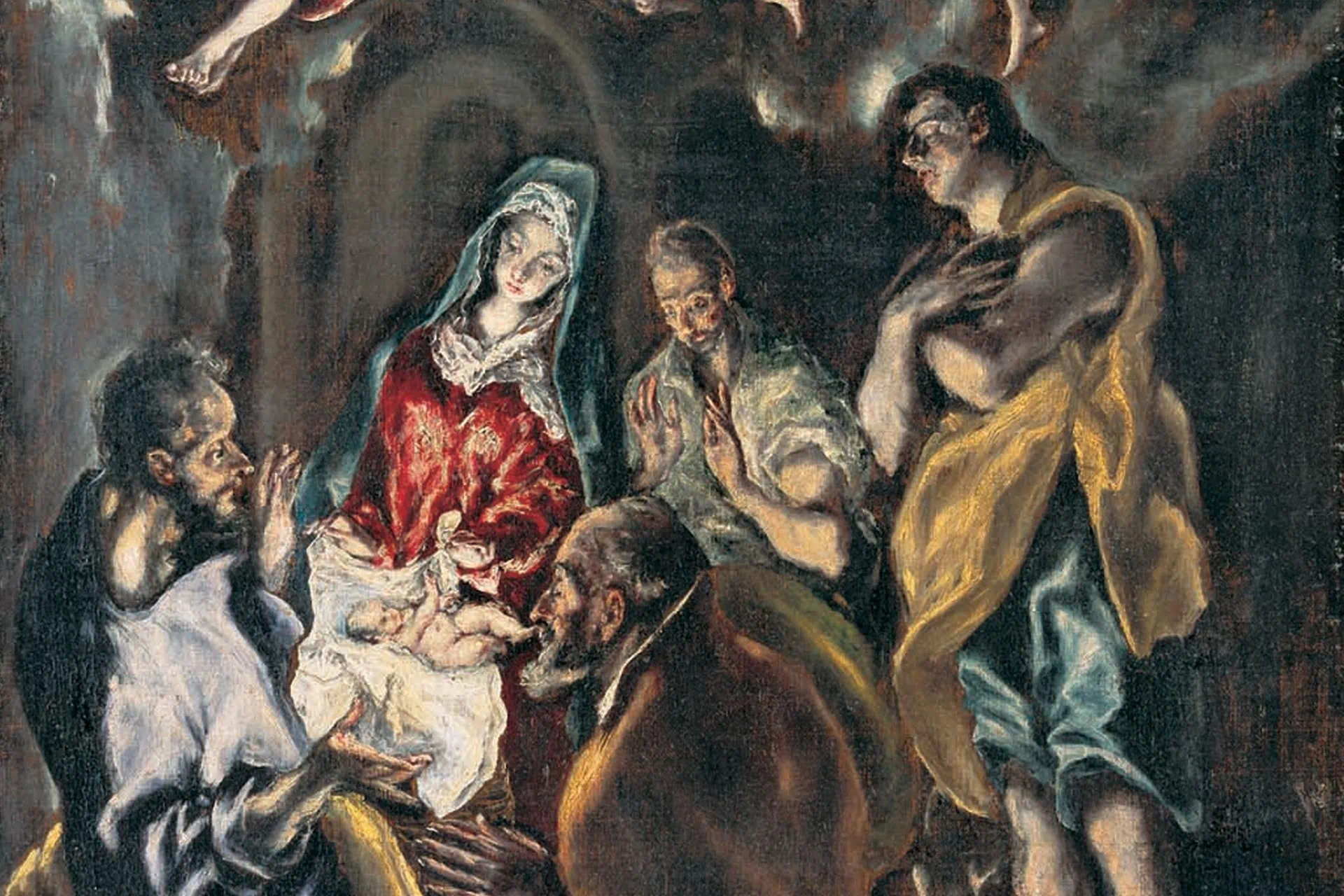
.Masters som Angelos Akotantos, Andreas Ritzos, Michael Damaskinos, och så småningom Domenikos Theotokopoulos (som skulle bli världsberömd som El Greco) uppfostrade kretensisk hagiografi till en internationellt vördade konstform.
.Ikonografens heliga tekniker
Skapandet av en traditionell bysantinsk ikon är en långsam, metodisk process som har varit i stort sett oförändrad i mer än tusen år.Varje steg bär djup symbolisk och teologisk mening.
Stöd och Gesso Ground
En ikon börjar med en erfaren, warp-resistent träpanel (vanligtvis poppel, furu eller lime trä).Framsidan av panelen är snidad något för att skapa en låg gräns - symbolisera gränsen mellan den fysiska världen och den andliga världen som skildras inom.
.Träet är primed med lager av naturligt djurskinnslim blandat med krita eller marmordamm (känd som gesso), producerar en perfekt slät, lysande vit yta som speglar ljus från under färglagren.
2.Water Gilding (guldblad)
Innan målningen tillämpar ikonografen guldbakgrunden, som representerar Guds oskapade ljus.Konstnären borstar ett lager av röd lera pasta, kallad bole, på halo och bakgrund. Efter att bole är slipad slät, lös lakan av 22 till 24 karat guldblad appliceras.Guldet är noggrant bränns med en polerad agatsten, vilket förvandlar matteytan till en spegelliknande finish.
Egg Tempera och naturliga pigment
Sanna bysantinska ikoner använder inte olja eller moderna akrylfärger.Istället använder de äggtempera, ett medium som kombinerar färsk äggula (som bindemedel), vitt vin eller vinäger (för att förhindra spoilage) och torra mineral- och jordpigment.
Paletten är djupt symbolisk och härrör från jorden:Lapis Lazuli representerar gudomlighet och de himmelska rikena.
Red Ochre (röd) representerar mänskligheten och offer.
Green Earth (grön) representerar liv och förnyelse.
Måla från mörk till ljusTill skillnad från västerländsk klassisk målning, som använder yttre ljuskällor för att kasta skuggor, är en bysantinsk ikon målad från mörker till ljus. Konstnären börjar med ett mörkt grundskikt som kallas proplasman.Långsamt, transparenta lager av progressivt ljusare toner (diagrammen och psimythi) är uppbyggda för att definiera funktioner.Denna teknik visar visuellt det teologiska begreppet inre, transfigurerar ljus som lyser ut inifrån den heliga figuren, snarare än ljus som träffar dem från utsidan.
.Viktiga bysantinska ikonografi webbplatser i Rethymno
Landsbygden i Rethymno är ett magnifikt "levande museum".
.Om du vill uppleva skönheten i bysantinska väggmålningar och historiska ikoner i situ, rekommenderas flera kyrkor och kloster.
Nära Rethymno Town: Chromonastiri & Agia IriniBara en kort bilresa söder om Rethymno, byn Chromonastiri och dess omgivningar erbjuder utmärkta exempel på tidig medeltida hagiografi:
Agios Eftychios (Chromonastiri):Denna engångs, korsfäst, kuperad kyrka är hem för fresker som går tillbaka till 11-talet.Dessa representerar några av de tidigaste väggmålningarna i Kreta, som visar en svår, linjär stil som föregår de mjukare, berättande stilarna i den senare Palaeologan Renaissance.
Kyrkan Panagia Kera (Chromonastiri):Också dejting till 11-talet, denna korsform kyrka har anmärkningsvärda, mycket stiliserade skildringar av Jungfru Maria och andra helgon.
Kloster av Agia Irini :Ursprungligen grundad på 1400-talet och vackert restaurerad, är detta aktiva nunneri ett viktigt stopp.De bosatta nunnorna fortsätter att utöva den antika konsten av traditionell bysantinsk ikonografi, vilket gör det till en underbar plats att observera hur den levande traditionen av helig hagiografi bevaras idag.
.Amari Valley - hjärtat av bysantinska Kreta
Den frodiga Amari Valley, som ligger sydöst om Rethymno stad, är exceptionellt rik på bysantinska kapell:
Church of Panagia på Thronos (Assumption of the Virgin)Byggd på resterna av en 4: e århundradet basilikan, denna lilla, 14: e århundradet engångsförsamling innehåller några av de mest kända Palaeologan-stil fresker i Kreta.Konstverket är djupt uttrycksfullt, målat med inhemska färgämnen av två distinkta konstnärer från 1400-talet. Leta efter den eleganta sena-gotiska dörröppningen dekorerad med vapen av den historiska Kallergis ädla familj.
.Church of Saint Anna (Nefs Amari): Beläget nära byn Opsigia, har detta kapell väggmålningar som dateras till 1225.Dessa anses allmänt vara några av de äldsta daterade bysantinska fresker som överlever på ön Kreta.
Church of Panagia Mavridiani (Meronas):Placerad i ett fridfullt landskap nära Meronas, den äldsta delen av denna två-ledda kyrka går tillbaka till 13-talet och bevarar slående, känslomässiga fresker av perioden.
Panagiakyrkan i Patsos:Beläget i en spektakulär miljö, innehåller denna 1400-talets kors-i-kvadratkyrka raffinerade Palaeologanska fresker från början av 1400-talet, vilket visar arbetet med en exceptionell konstnärlig verkstad.
.Mylopotamos Region
Church of Saint John (Agios Ioannis) på Episkopi, Mylopotamos:Ursprungligen en femte århundradet tidig kristen basilika, denna plats rekonstruerades i slutet av 13-talet under beskydd av Alexios Kallergis.
.Trots monumentets väderlek under århundradena är de återstående 1400-talets fresker (som Panagia Platytera och scener av pingst och uppstigning) högt ansedda exempel på Palaeologankonstnär.Historiska kloster och museer
För dem som vill se mycket betydande bärbara ikoner i Cretan School, regionens klostermuseer erbjuder enastående samlingar:
Arkadi Monastery Museum:Utöver sin legendariska roll i Kretas historia var Arkadi ett livligt andligt och pedagogiskt centrum.Dess renoverade museum hus högt prisade post-Byzantine bärbara ikoner, utarbetade trä sniderier och guld-embroderade liturgiska västar.
Preveli Monastery Museum:Beläget på den dramatiska södra kusten, har museet på Piso Preveli-komplexet en värdefull samling av ikoner som sträcker sig från 17: e till 1800-talet.Den rymmer också det berömda, högt vördade silver-gilt Heliga Korset.
Det kyrkliga museet i Rethymno:Beläget i Rethymnos gamla stadsdel, nära katedralen, har detta museum en viktig samling lokala religiösa reliker, inklusive sällsynta 16-talets ikoner, historiska manuskript och liturgiska föremål.
.Den levande traditionen - Ikonografiverkstäder idag
Konsten i ikonen är långt ifrån en relik av det förflutna i Rethymno, det är fortfarande en livlig, levande hantverk som passerade genom generationer.För besökare som vill se dessa gamla tekniker i aktion överbryggar flera moderna verkstäder klyftan mellan historia och nutid.Klostret Agia Irini, som ligger på kullarna med utsikt över Rethymno, är ett framträdande centrum där de bosatta nunnorna fortsätter att producera utsökta verk med traditionell ägg tempera.I hjärtat av Gamla stan håller mästare hagiografer Cretan Schools arv levande genom dedikerade studior.
.Christopher Karaviotis driver en berömd verkstad och galleri, där hon inte bara skapar musei-kvalitet bitar utan också erbjuder lektioner för dem som är ivriga att lära sig konsten.På samma sätt erbjuder Alexandra Icons specialiserade ikonografiverkstäder, vilket ger studenterna en uppslukande upplevelse i hantverkets teologiska och tekniska disciplin.
.I dessa utrymmen kan resenärer observera den noggranna "mörk-till-ljus" målningsprocessen och lära sig om de heliga geometri och naturliga pigment som har definierat kretensisk andlig konst i över ett halvt årtusende.
Källa ↗
Den levande traditionen av bysantinsk konst i RethymnoDen regionala enheten i Rethymno, som sträcker sig från de sandiga stränderna i Kreta havet till de robusta topparna av Mount Psiloritis, är hem för en rik samling av religiösa monument.Över sina dalar, gorges och traditionella byar ligger över 300 bysantinska kyrkor och dussintals historiska kloster.För den kulturella resenären är dessa heliga platser inte bara platser för dyrkan, utan också levande gallerier av bysantinsk och post-bysantinsk konst.
.Inom dessa lugna helgedomar berättar väggarna en århundraden gammal historia genom fresker och bärbara ikoner.Denna artikel utforskar historien, noggranna tekniker och finaste lokala exempel på bysantinsk ikonografi som du kan upptäcka i hela Rethymno-regionen.
Historien och födelsen av "Cretan School"Bysantinsk ikonografi är ett teologiskt språk som görs i färg, form och ljus.Istället för att sikta på realistisk porträtt strävar den bysantinska konstnären efter att fånga de heliga figurernas transfigurerade andliga essens.
De tidiga och mellersta bysantinska periodernaI Kreta präglades de tidiga århundradena av kristen konst (efter slutet av Iconoclasm i 843 AD) av en svår, uttrycksfull och djupt andlig stil.Ikonografer följde strikta dogmatiska regler som fastställts av Ecumenical Councils.Siffrorna var stiliserade, avbildade med stora ögon för att betona andlig syn och ställde sig mot platta bakgrunder av djup indigo eller skimrande guldblad för att beteckna den himmelska rikets tidlöshet.
.Konstantinopels fall och renässansen
Det definierande kapitlet av kretensisk ikonografi började i mitten av 15-talet.Efter Konstantinopels fall 1453, många av det bysantinska rikets finaste konstnärer, forskare och teologer flydde huvudstaden. De sökte skydd på Kreta, som då var under venetiansk administration.
.Denna historiska migration katalyserade Cretan School of Iconography (15-17-talen).I denna mångkulturella miljö blandade traditionell bysantinsk teologi med realistiska proportioner, naturlig belysning och perspektiv på den italienska renässansen.Kreta verkstäder blev kända genom Medelhavet, producerar verk i forma greca (traditionell bysantinsk stil) och i forma en latina (västerländsk påverkad stil).
.Masters som Angelos Akotantos, Andreas Ritzos, Michael Damaskinos, och så småningom Domenikos Theotokopoulos (som skulle bli världsberömd som El Greco) uppfostrade kretensisk hagiografi till en internationellt vördade konstform.
.Ikonografens heliga tekniker
Skapandet av en traditionell bysantinsk ikon är en långsam, metodisk process som har varit i stort sett oförändrad i mer än tusen år.Varje steg bär djup symbolisk och teologisk mening.
Stöd och Gesso Ground
En ikon börjar med en erfaren, warp-resistent träpanel (vanligtvis poppel, furu eller lime trä).Framsidan av panelen är snidad något för att skapa en låg gräns - symbolisera gränsen mellan den fysiska världen och den andliga världen som skildras inom.
.Träet är primed med lager av naturligt djurskinnslim blandat med krita eller marmordamm (känd som gesso), producerar en perfekt slät, lysande vit yta som speglar ljus från under färglagren.
2.Water Gilding (guldblad)
Innan målningen tillämpar ikonografen guldbakgrunden, som representerar Guds oskapade ljus.Konstnären borstar ett lager av röd lera pasta, kallad bole, på halo och bakgrund. Efter att bole är slipad slät, lös lakan av 22 till 24 karat guldblad appliceras.Guldet är noggrant bränns med en polerad agatsten, vilket förvandlar matteytan till en spegelliknande finish.
Egg Tempera och naturliga pigment
Sanna bysantinska ikoner använder inte olja eller moderna akrylfärger.Istället använder de äggtempera, ett medium som kombinerar färsk äggula (som bindemedel), vitt vin eller vinäger (för att förhindra spoilage) och torra mineral- och jordpigment.
Paletten är djupt symbolisk och härrör från jorden:Lapis Lazuli representerar gudomlighet och de himmelska rikena.
Red Ochre (röd) representerar mänskligheten och offer.
Green Earth (grön) representerar liv och förnyelse.
Måla från mörk till ljusTill skillnad från västerländsk klassisk målning, som använder yttre ljuskällor för att kasta skuggor, är en bysantinsk ikon målad från mörker till ljus. Konstnären börjar med ett mörkt grundskikt som kallas proplasman.Långsamt, transparenta lager av progressivt ljusare toner (diagrammen och psimythi) är uppbyggda för att definiera funktioner.Denna teknik visar visuellt det teologiska begreppet inre, transfigurerar ljus som lyser ut inifrån den heliga figuren, snarare än ljus som träffar dem från utsidan.
.Viktiga bysantinska ikonografi webbplatser i Rethymno
Landsbygden i Rethymno är ett magnifikt "levande museum".
.Om du vill uppleva skönheten i bysantinska väggmålningar och historiska ikoner i situ, rekommenderas flera kyrkor och kloster.
Nära Rethymno Town: Chromonastiri & Agia IriniBara en kort bilresa söder om Rethymno, byn Chromonastiri och dess omgivningar erbjuder utmärkta exempel på tidig medeltida hagiografi:
Agios Eftychios (Chromonastiri):Denna engångs, korsfäst, kuperad kyrka är hem för fresker som går tillbaka till 11-talet.Dessa representerar några av de tidigaste väggmålningarna i Kreta, som visar en svår, linjär stil som föregår de mjukare, berättande stilarna i den senare Palaeologan Renaissance.
Kyrkan Panagia Kera (Chromonastiri):Också dejting till 11-talet, denna korsform kyrka har anmärkningsvärda, mycket stiliserade skildringar av Jungfru Maria och andra helgon.
Kloster av Agia Irini :Ursprungligen grundad på 1400-talet och vackert restaurerad, är detta aktiva nunneri ett viktigt stopp.De bosatta nunnorna fortsätter att utöva den antika konsten av traditionell bysantinsk ikonografi, vilket gör det till en underbar plats att observera hur den levande traditionen av helig hagiografi bevaras idag.
.Amari Valley - hjärtat av bysantinska Kreta
Den frodiga Amari Valley, som ligger sydöst om Rethymno stad, är exceptionellt rik på bysantinska kapell:
Church of Panagia på Thronos (Assumption of the Virgin)Byggd på resterna av en 4: e århundradet basilikan, denna lilla, 14: e århundradet engångsförsamling innehåller några av de mest kända Palaeologan-stil fresker i Kreta.Konstverket är djupt uttrycksfullt, målat med inhemska färgämnen av två distinkta konstnärer från 1400-talet. Leta efter den eleganta sena-gotiska dörröppningen dekorerad med vapen av den historiska Kallergis ädla familj.
.Church of Saint Anna (Nefs Amari): Beläget nära byn Opsigia, har detta kapell väggmålningar som dateras till 1225.Dessa anses allmänt vara några av de äldsta daterade bysantinska fresker som överlever på ön Kreta.
Church of Panagia Mavridiani (Meronas):Placerad i ett fridfullt landskap nära Meronas, den äldsta delen av denna två-ledda kyrka går tillbaka till 13-talet och bevarar slående, känslomässiga fresker av perioden.
Panagiakyrkan i Patsos:Beläget i en spektakulär miljö, innehåller denna 1400-talets kors-i-kvadratkyrka raffinerade Palaeologanska fresker från början av 1400-talet, vilket visar arbetet med en exceptionell konstnärlig verkstad.
.Mylopotamos Region
Church of Saint John (Agios Ioannis) på Episkopi, Mylopotamos:Ursprungligen en femte århundradet tidig kristen basilika, denna plats rekonstruerades i slutet av 13-talet under beskydd av Alexios Kallergis.
.Trots monumentets väderlek under århundradena är de återstående 1400-talets fresker (som Panagia Platytera och scener av pingst och uppstigning) högt ansedda exempel på Palaeologankonstnär.Historiska kloster och museer
För dem som vill se mycket betydande bärbara ikoner i Cretan School, regionens klostermuseer erbjuder enastående samlingar:
Arkadi Monastery Museum:Utöver sin legendariska roll i Kretas historia var Arkadi ett livligt andligt och pedagogiskt centrum.Dess renoverade museum hus högt prisade post-Byzantine bärbara ikoner, utarbetade trä sniderier och guld-embroderade liturgiska västar.
Preveli Monastery Museum:Beläget på den dramatiska södra kusten, har museet på Piso Preveli-komplexet en värdefull samling av ikoner som sträcker sig från 17: e till 1800-talet.Den rymmer också det berömda, högt vördade silver-gilt Heliga Korset.
Det kyrkliga museet i Rethymno:Beläget i Rethymnos gamla stadsdel, nära katedralen, har detta museum en viktig samling lokala religiösa reliker, inklusive sällsynta 16-talets ikoner, historiska manuskript och liturgiska föremål.
.Den levande traditionen - Ikonografiverkstäder idag
Konsten i ikonen är långt ifrån en relik av det förflutna i Rethymno, det är fortfarande en livlig, levande hantverk som passerade genom generationer.För besökare som vill se dessa gamla tekniker i aktion överbryggar flera moderna verkstäder klyftan mellan historia och nutid.Klostret Agia Irini, som ligger på kullarna med utsikt över Rethymno, är ett framträdande centrum där de bosatta nunnorna fortsätter att producera utsökta verk med traditionell ägg tempera.I hjärtat av Gamla stan håller mästare hagiografer Cretan Schools arv levande genom dedikerade studior.
.Christopher Karaviotis driver en berömd verkstad och galleri, där hon inte bara skapar musei-kvalitet bitar utan också erbjuder lektioner för dem som är ivriga att lära sig konsten.På samma sätt erbjuder Alexandra Icons specialiserade ikonografiverkstäder, vilket ger studenterna en uppslukande upplevelse i hantverkets teologiska och tekniska disciplin.
.I dessa utrymmen kan resenärer observera den noggranna "mörk-till-ljus" målningsprocessen och lära sig om de heliga geometri och naturliga pigment som har definierat kretensisk andlig konst i över ett halvt årtusende.
Original source text
Byzantine Iconography in
Byzantine Iconography in Rethymno
The Living Tradition of Byzantine Art in Rethymno
The regional unit of Rethymno, stretching from the sandy shores of the Cretan Sea to the rugged peaks of Mount Psiloritis, is home to a rich collection of religious monuments. Across its valleys, gorges, and traditional villages lie over 300 Byzantine-era churches and dozens of historic monasteries. For the cultural traveler, these sacred sites are not only places of worship, but also living galleries of Byzantine and Post-Byzantine art.
Within these quiet sanctuaries, the walls tell a centuries-old story through frescoes and portable icons. This article explores the history, meticulous techniques, and finest local examples of Byzantine iconography that you can discover throughout the Rethymno region.
The History and the Birth of the "Cretan School"
Byzantine iconography is a theological language rendered in color, form, and light. Rather than aiming for realistic portraiture, the Byzantine artist seeks to capture the transfigured, spiritual essence of the holy figures.
The Early and Middle Byzantine Periods
In Crete, the early centuries of Christian art (following the end of Iconoclasm in 843 AD) were characterized by a severe, expressive, and deeply spiritual style. Iconographers adhered to strict dogmatic rules established by the Ecumenical Councils. Figures were stylized, depicted with large eyes to emphasize spiritual sight, and set against flat backgrounds of deep indigo or shimmering gold leaf to denote the timelessness of the heavenly realm.
The Fall of Constantinople and the Cretan Renaissance
The defining chapter of Cretan iconography began in the mid-15th century. Following the Fall of Constantinople in 1453, many of the Byzantine Empire’s finest artists, scholars, and theologians fled the capital. They sought refuge in Crete, which was then under Venetian administration.
This historical migration catalyzed the Cretan School of Iconography (15th–17th centuries). In this multicultural environment, traditional Byzantine theology blended with the realistic proportions, natural lighting, and perspective of the Italian Renaissance. Cretan workshops became famous throughout the Mediterranean, producing works in forma greca (traditional Byzantine style) and in forma a la latina (Western-influenced style).
Masters like Angelos Akotantos, Andreas Ritzos, Michael Damaskinos, and eventually Domenikos Theotokopoulos (who would become world-famous as El Greco) raised Cretan hagiography to an internationally revered art form.
The Sacred Techniques of the Iconographer
The creation of a traditional Byzantine icon is a slow, methodical process that has remained largely unchanged for more than a thousand years. Each step carries profound symbolic and theological meaning.
1. The Support and the Gesso Ground
An icon begins with a seasoned, warp-resistant wooden panel (typically poplar, pine, or lime wood). The front of the panel is carved slightly to create a recessed border—symbolizing the boundary between the physical world and the spiritual world depicted within.
The wood is primed with layers of natural animal-skin glue mixed with chalk or marble dust (known as gesso), producing a perfectly smooth, brilliant white surface that reflects light from beneath the paint layers.
2. Water Gilding (Gold Leaf)
Before painting, the iconographer applies the gold background, which represents the uncreated light of God. The artist brushes a layer of red clay paste, called bole, onto the halo and background. After the bole is sanded smooth, loose sheets of 22 to 24-carat gold leaf are applied. The gold is carefully burnished with a polished agate stone, turning the matte surface into a mirror-like finish.
3. Egg Tempera and Natural Pigments
True Byzantine icons do not use oil or modern acrylic paints. Instead, they use egg tempera, a medium combining fresh egg yolk (as a binder), white wine or vinegar (to prevent spoilage), and dry mineral and earth pigments.
The palette is deeply symbolic and derived from the earth:
Lapis Lazuli (blue) represents divinity and the heavenly realms.
Red Ochre (red) represents humanity and sacrifice.
Green Earth (green) represents life and renewal.
4. Painting from Dark to Light
Unlike Western classical painting, which uses external light sources to cast shadows, a Byzantine icon is painted from darkness to light. The artist starts with a dark foundation layer called the proplasma. Slowly, transparent layers of progressively lighter tones (the graphems and psimythi) are built up to define features. This technique visually demonstrates the theological concept of inner, transfiguring light shining out from within the holy figure, rather than light hitting them from the outside.
Important Byzantine Iconography Sites in Rethymno
The countryside of Rethymno is a magnificent "living museum".
If you wish to experience the beauty of Byzantine wall paintings and historic icons in situ, several churches and monasteries are highly recommended.
Near Rethymno Town: Chromonastiri & Agia Irini
Just a short drive south of Rethymno, the village of Chromonastiri and its surroundings offer excellent examples of early medieval hagiography :
Church of Agios Eftychios (Chromonastiri) : This single-aisled, cruciform, domed church is home to frescoes dating back to the 11th century . These represent some of the earliest wall paintings in Crete, displaying a severe, linear style that predates the softer, narrative styles of the later Palaeologan Renaissance .
Church of Panagia Kera (Chromonastiri) : Also dating to the 11th century, this cruciform church features remarkable, highly stylized depictions of the Virgin Mary and other saints .
Monastery of Agia Irini : Originally founded in the 14th century and beautifully restored, this active nunnery is an essential stop . The resident nuns continue to practice the ancient art of traditional Byzantine iconography, making it a wonderful place to observe how the living tradition of holy hagiography is preserved today .
The Amari Valley - The Heart of Byzantine Crete
The lush Amari Valley, located southeast of Rethymno town, is exceptionally rich in Byzantine chapels :
Church of Panagia at Thronos (Assumption of the Virgin) : Built on the remains of a 4th-century basilica, this small, 14th-century single-aisled church contains some of the most famous Palaeologan-style frescoes in Crete . The artwork is deeply expressive, painted with indigenous dyes by two distinct 14th-century artists . Look for the elegant late-Gothic doorway decorated with the coat of arms of the historic Kallergis noble family .
Church of Saint Anna (Nefs Amari) : Located near the village of Opsigia, this chapel features wall paintings dating to 1225 . These are widely considered to be some of the oldest dated Byzantine frescoes surviving on the island of Crete .
Church of Panagia Mavridiani (Meronas) : Positioned in a serene landscape near Meronas, the oldest part of this two-aisled church dates back to the 13th century and preserves striking, emotive frescoes of the period .
Church of Panagia at Patsos : Located in a spectacular setting, this 14th-century cross-in-square domed church contains refined Palaeologan frescoes from the early 14th century, demonstrating the work of an exceptional artistic workshop .
Mylopotamos Region
Church of Saint John (Agios Ioannis) at Episkopi, Mylopotamos : Originally a 5th-century early Christian basilica, this site was reconstructed in the late 13th century under the patronage of Alexios Kallergis .
Despite the weathering of the monument over the centuries, the remaining 14th-century frescoes (such as the Panagia Platytera and scenes of the Pentecost and Ascension ) are highly regarded examples of Palaeologan artistry .
Historic Monasteries and Museums
For those wishing to view highly significant portable icons of the Cretan School, the region's monastic museums offer outstanding collections :
Arkadi Monastery Museum : Beyond its legendary role in Cretan history, Arkadi was a vibrant spiritual and educational center . Its renovated museum houses highly prized post-Byzantine portable icons, elaborate wood carvings, and gold-embroidered liturgical vestments .
Preveli Monastery Museum : Located on the dramatic southern coast, the museum at the Piso Preveli complex holds a valuable collection of icons spanning from the 17th to the 19th centuries . It also houses the famous, highly revered silver-gilt Holy Cross .
The Ecclesiastical Museum of Rethymno : Situated in Rethymno’s Old Town, near the Cathedral, this museum houses an important collection of local religious relics, including rare 16th-century icons, historical manuscripts, and liturgical items .
The Living Tradition - Iconography Workshops Today
The art of the icon is far from a relic of the past in Rethymno; it remains a vibrant, living craft passed down through generations. For visitors who wish to see these ancient techniques in action, several modern workshops bridge the gap between history and the present day. The Monastery of Agia Irini , perched on the hills overlooking Rethymno, is a prominent center where the resident nuns continue to produce exquisite works using traditional egg tempera. In the heart of the Old Town, master hagiographers keep the Cretan School's legacy alive through dedicated studios.
Christopher Karaviotis operates a renowned workshop and gallery, where she not only creates museum-quality pieces but also offers lessons to those eager to learn the art. Similarly, Alexandra Icons offers specialized iconography workshops, providing students with an immersive experience in the theological and technical discipline of the craft.
In these spaces, travelers can observe the meticulous "dark-to-light" painting process and learn about the sacred geometry and natural pigments that have defined Cretan spiritual art for over half a millennium.
The Living Tradition of Byzantine Art in Rethymno
The regional unit of Rethymno, stretching from the sandy shores of the Cretan Sea to the rugged peaks of Mount Psiloritis, is home to a rich collection of religious monuments. Across its valleys, gorges, and traditional villages lie over 300 Byzantine-era churches and dozens of historic monasteries. For the cultural traveler, these sacred sites are not only places of worship, but also living galleries of Byzantine and Post-Byzantine art.
Within these quiet sanctuaries, the walls tell a centuries-old story through frescoes and portable icons. This article explores the history, meticulous techniques, and finest local examples of Byzantine iconography that you can discover throughout the Rethymno region.
The History and the Birth of the "Cretan School"
Byzantine iconography is a theological language rendered in color, form, and light. Rather than aiming for realistic portraiture, the Byzantine artist seeks to capture the transfigured, spiritual essence of the holy figures.
The Early and Middle Byzantine Periods
In Crete, the early centuries of Christian art (following the end of Iconoclasm in 843 AD) were characterized by a severe, expressive, and deeply spiritual style. Iconographers adhered to strict dogmatic rules established by the Ecumenical Councils. Figures were stylized, depicted with large eyes to emphasize spiritual sight, and set against flat backgrounds of deep indigo or shimmering gold leaf to denote the timelessness of the heavenly realm.
The Fall of Constantinople and the Cretan Renaissance
The defining chapter of Cretan iconography began in the mid-15th century. Following the Fall of Constantinople in 1453, many of the Byzantine Empire’s finest artists, scholars, and theologians fled the capital. They sought refuge in Crete, which was then under Venetian administration.
This historical migration catalyzed the Cretan School of Iconography (15th–17th centuries). In this multicultural environment, traditional Byzantine theology blended with the realistic proportions, natural lighting, and perspective of the Italian Renaissance. Cretan workshops became famous throughout the Mediterranean, producing works in forma greca (traditional Byzantine style) and in forma a la latina (Western-influenced style).
Masters like Angelos Akotantos, Andreas Ritzos, Michael Damaskinos, and eventually Domenikos Theotokopoulos (who would become world-famous as El Greco) raised Cretan hagiography to an internationally revered art form.
The Sacred Techniques of the Iconographer
The creation of a traditional Byzantine icon is a slow, methodical process that has remained largely unchanged for more than a thousand years. Each step carries profound symbolic and theological meaning.
1. The Support and the Gesso Ground
An icon begins with a seasoned, warp-resistant wooden panel (typically poplar, pine, or lime wood). The front of the panel is carved slightly to create a recessed border—symbolizing the boundary between the physical world and the spiritual world depicted within.
The wood is primed with layers of natural animal-skin glue mixed with chalk or marble dust (known as gesso), producing a perfectly smooth, brilliant white surface that reflects light from beneath the paint layers.
2. Water Gilding (Gold Leaf)
Before painting, the iconographer applies the gold background, which represents the uncreated light of God. The artist brushes a layer of red clay paste, called bole, onto the halo and background. After the bole is sanded smooth, loose sheets of 22 to 24-carat gold leaf are applied. The gold is carefully burnished with a polished agate stone, turning the matte surface into a mirror-like finish.
3. Egg Tempera and Natural Pigments
True Byzantine icons do not use oil or modern acrylic paints. Instead, they use egg tempera, a medium combining fresh egg yolk (as a binder), white wine or vinegar (to prevent spoilage), and dry mineral and earth pigments.
The palette is deeply symbolic and derived from the earth:
Lapis Lazuli (blue) represents divinity and the heavenly realms.
Red Ochre (red) represents humanity and sacrifice.
Green Earth (green) represents life and renewal.
4. Painting from Dark to Light
Unlike Western classical painting, which uses external light sources to cast shadows, a Byzantine icon is painted from darkness to light. The artist starts with a dark foundation layer called the proplasma. Slowly, transparent layers of progressively lighter tones (the graphems and psimythi) are built up to define features. This technique visually demonstrates the theological concept of inner, transfiguring light shining out from within the holy figure, rather than light hitting them from the outside.
Important Byzantine Iconography Sites in Rethymno
The countryside of Rethymno is a magnificent "living museum".
If you wish to experience the beauty of Byzantine wall paintings and historic icons in situ, several churches and monasteries are highly recommended.
Near Rethymno Town: Chromonastiri & Agia Irini
Just a short drive south of Rethymno, the village of Chromonastiri and its surroundings offer excellent examples of early medieval hagiography :
Church of Agios Eftychios (Chromonastiri) : This single-aisled, cruciform, domed church is home to frescoes dating back to the 11th century . These represent some of the earliest wall paintings in Crete, displaying a severe, linear style that predates the softer, narrative styles of the later Palaeologan Renaissance .
Church of Panagia Kera (Chromonastiri) : Also dating to the 11th century, this cruciform church features remarkable, highly stylized depictions of the Virgin Mary and other saints .
Monastery of Agia Irini : Originally founded in the 14th century and beautifully restored, this active nunnery is an essential stop . The resident nuns continue to practice the ancient art of traditional Byzantine iconography, making it a wonderful place to observe how the living tradition of holy hagiography is preserved today .
The Amari Valley - The Heart of Byzantine Crete
The lush Amari Valley, located southeast of Rethymno town, is exceptionally rich in Byzantine chapels :
Church of Panagia at Thronos (Assumption of the Virgin) : Built on the remains of a 4th-century basilica, this small, 14th-century single-aisled church contains some of the most famous Palaeologan-style frescoes in Crete . The artwork is deeply expressive, painted with indigenous dyes by two distinct 14th-century artists . Look for the elegant late-Gothic doorway decorated with the coat of arms of the historic Kallergis noble family .
Church of Saint Anna (Nefs Amari) : Located near the village of Opsigia, this chapel features wall paintings dating to 1225 . These are widely considered to be some of the oldest dated Byzantine frescoes surviving on the island of Crete .
Church of Panagia Mavridiani (Meronas) : Positioned in a serene landscape near Meronas, the oldest part of this two-aisled church dates back to the 13th century and preserves striking, emotive frescoes of the period .
Church of Panagia at Patsos : Located in a spectacular setting, this 14th-century cross-in-square domed church contains refined Palaeologan frescoes from the early 14th century, demonstrating the work of an exceptional artistic workshop .
Mylopotamos Region
Church of Saint John (Agios Ioannis) at Episkopi, Mylopotamos : Originally a 5th-century early Christian basilica, this site was reconstructed in the late 13th century under the patronage of Alexios Kallergis .
Despite the weathering of the monument over the centuries, the remaining 14th-century frescoes (such as the Panagia Platytera and scenes of the Pentecost and Ascension ) are highly regarded examples of Palaeologan artistry .
Historic Monasteries and Museums
For those wishing to view highly significant portable icons of the Cretan School, the region's monastic museums offer outstanding collections :
Arkadi Monastery Museum : Beyond its legendary role in Cretan history, Arkadi was a vibrant spiritual and educational center . Its renovated museum houses highly prized post-Byzantine portable icons, elaborate wood carvings, and gold-embroidered liturgical vestments .
Preveli Monastery Museum : Located on the dramatic southern coast, the museum at the Piso Preveli complex holds a valuable collection of icons spanning from the 17th to the 19th centuries . It also houses the famous, highly revered silver-gilt Holy Cross .
The Ecclesiastical Museum of Rethymno : Situated in Rethymno’s Old Town, near the Cathedral, this museum houses an important collection of local religious relics, including rare 16th-century icons, historical manuscripts, and liturgical items .
The Living Tradition - Iconography Workshops Today
The art of the icon is far from a relic of the past in Rethymno; it remains a vibrant, living craft passed down through generations. For visitors who wish to see these ancient techniques in action, several modern workshops bridge the gap between history and the present day. The Monastery of Agia Irini , perched on the hills overlooking Rethymno, is a prominent center where the resident nuns continue to produce exquisite works using traditional egg tempera. In the heart of the Old Town, master hagiographers keep the Cretan School's legacy alive through dedicated studios.
Christopher Karaviotis operates a renowned workshop and gallery, where she not only creates museum-quality pieces but also offers lessons to those eager to learn the art. Similarly, Alexandra Icons offers specialized iconography workshops, providing students with an immersive experience in the theological and technical discipline of the craft.
In these spaces, travelers can observe the meticulous "dark-to-light" painting process and learn about the sacred geometry and natural pigments that have defined Cretan spiritual art for over half a millennium.