
news
🇬🇧
- Eerst opgehaald
- 01-08-2026 13:38
- Laatst gezien
- 04-08-2026 06:37
- Laatst gewijzigd
- 03-08-2026 16:00
Ontdek Rethymno's historische schatten
Gratis toegang tot de historische monumenten van Rethymno
Ontdek Rethymno's historische schatten
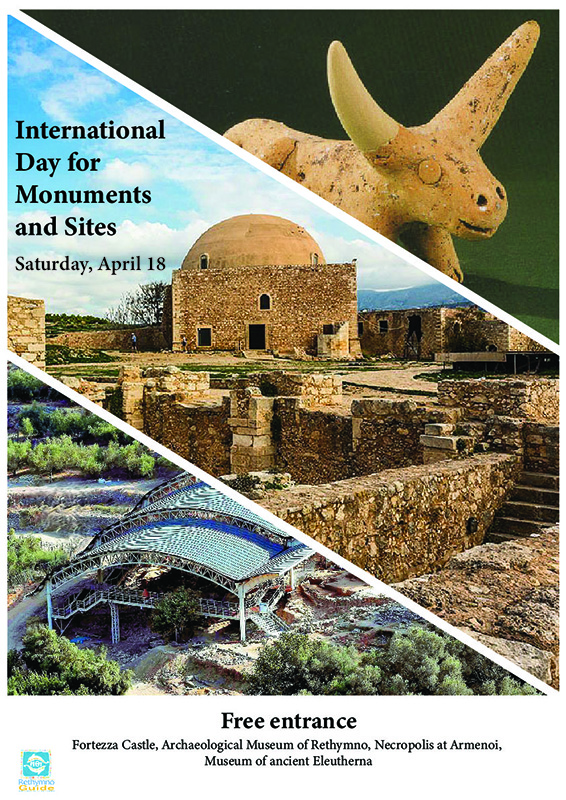
Als u van plan bent om gebruik te maken van de gratis toegang op de Internationale Dag voor Monumenten en Sites te maken of als u gewoon het bouwen van uw reisroute hier is alles wat u moet weten over de ongelooflijke bezienswaardigheden wachten op u in Rethymno
.
1. Het Venetiaanse Fortezza Castle
Het Fortezza is het handelsmerk van Rethymno. Gebouwd door de Venetianen in de 16e eeuw (1573) om de stad te beschermen tegen piratenaanvallen (zoals die van de beruchte Barbarossa) en het Ottomaanse Rijk, dit stervormige fort is een van de best bewaard gebleven kastelen op Kreta.
Wat te zien: Loop langs de massieve verdedigingsmuren voor een 360 graden panoramisch uitzicht op de Kretenzerzee en de oude binnenstad. Ontdek de gerestaureerde moskee van Sultan Ibrahim (oorspronkelijk een Venetiaanse kathedraal), de oude wapenkamer, de munitiedepots en het openlucht Erofili Theater, waar culturele evenementen plaatsvinden onder de zomersterren.
2. Oude Eleutherna & The Museum of Ancient Eleutherna
Gelegen op 20 km ten zuidoosten van Rethymno aan de voet van de berg Psiloritis (Ida), Ancient Eleutherna is een van de belangrijkste archeologische ontdekkingen in het moderne Griekenland. Het was een machtige stadstaat die bloeide van de Middeleeuwen tot de Byzantijnse periode.
De site: Loop door de oude geschiedenis als u Hellenistische bruggen, Romeinse badhuizen, en vroege christelijke basilieken verkennen. Het bekendste opgravingsgebied is de necropolis van Orthi Petra, die de begrafenisgewoonten onthulde precies zoals ze werden beschreven door Homer in de Ilias.
Het museum: Mis het spectaculaire museum van het oude Eleutherna niet. Het is het eerste museum op Kreta dat uitsluitend voor één archeologische site is gebouwd[2]! Binnen vindt u schatten van drie en een half millennia (3000 voor Christus tot 1300 na Christus), met inbegrip van prachtige gouden sieraden, glazen vaten, oude wapens, en een indrukwekkend bronzen schild
3. Het Archeologisch Museum van Rethymno
Het museum ligt midden in het hart van de oude binnenstad en bevindt zich momenteel in het prachtige historische gebouw van de kerk van Agios Franciskos (St. Franciscus). Het gebouw zelf is een prachtig monument van de Venetiaanse architectuur.
Wat te zien: Het museum neemt u mee op een chronologische reis door de geschiedenis van de prefectuur Rethymno. De collectie bevat artefacten uit de Neolithische, Minoïsche, Geometrische, Klassieke, Hellenistische en Romeinse tijd.
Hoogtepunten zijn o.a. mooi geschilderde Minoïsche kleilarnakes (sarcofagi), oude munten, indrukwekkende beelden en gereedschappen die een blik werpen op het dagelijks leven van oude Kretenzen.
4. De late Minoïsche begraafplaats van Armeni
Slechts 8 km ten zuiden van Rethymno ligt een plek van mystieke schoonheid en immense historische waarde. Verscholen in een rustig, natuurlijk eikenbos is het Late Minoïsche Begraafplaats van Armeni, daterend uit de 14e en 13e eeuw v.Chr.
Wat te zien: De site bevat meer dan 200 rock-cut kamertombes, waaronder een indrukwekkend monumentale tholos (bijenkorf) graf behorende tot een lokale heerser. Door de gekerfde stenen gangen (dromoi) de aarde in lopen is een spannende ervaring. De opgravingen hier blootgelegd versierde klei doodskisten, bronzen wapens, en sieraden, terwijl het skelet blijft verstrekt archeologen met baanbrekende informatie over het dieet en de gezondheid van de oude Minoïsche mensen.
Al deze sites zijn perfect verbonden met het natuurlijke landschap. Of het nu het eikenbos van Armeni is, de berghellingen van Eleutherna, of de zeebries op het Fortezza, een bezoek aan deze monumenten is een prachtige wandeling door zowel de natuur als de geschiedenis!
Bekijk het originele artikel ↗
Gratis toegang tot de historische monumenten van Rethymno
Ontdek Rethymno's historische schatten
Als u van plan bent om gebruik te maken van de gratis toegang op de Internationale Dag voor Monumenten en Sites te maken of als u gewoon het bouwen van uw reisroute hier is alles wat u moet weten over de ongelooflijke bezienswaardigheden wachten op u in Rethymno
.
1. Het Venetiaanse Fortezza Castle
Het Fortezza is het handelsmerk van Rethymno. Gebouwd door de Venetianen in de 16e eeuw (1573) om de stad te beschermen tegen piratenaanvallen (zoals die van de beruchte Barbarossa) en het Ottomaanse Rijk, dit stervormige fort is een van de best bewaard gebleven kastelen op Kreta.
Wat te zien: Loop langs de massieve verdedigingsmuren voor een 360 graden panoramisch uitzicht op de Kretenzerzee en de oude binnenstad. Ontdek de gerestaureerde moskee van Sultan Ibrahim (oorspronkelijk een Venetiaanse kathedraal), de oude wapenkamer, de munitiedepots en het openlucht Erofili Theater, waar culturele evenementen plaatsvinden onder de zomersterren.
2. Oude Eleutherna & The Museum of Ancient Eleutherna
Gelegen op 20 km ten zuidoosten van Rethymno aan de voet van de berg Psiloritis (Ida), Ancient Eleutherna is een van de belangrijkste archeologische ontdekkingen in het moderne Griekenland. Het was een machtige stadstaat die bloeide van de Middeleeuwen tot de Byzantijnse periode.
De site: Loop door de oude geschiedenis als u Hellenistische bruggen, Romeinse badhuizen, en vroege christelijke basilieken verkennen. Het bekendste opgravingsgebied is de necropolis van Orthi Petra, die de begrafenisgewoonten onthulde precies zoals ze werden beschreven door Homer in de Ilias.
Het museum: Mis het spectaculaire museum van het oude Eleutherna niet. Het is het eerste museum op Kreta dat uitsluitend voor één archeologische site is gebouwd[2]! Binnen vindt u schatten van drie en een half millennia (3000 voor Christus tot 1300 na Christus), met inbegrip van prachtige gouden sieraden, glazen vaten, oude wapens, en een indrukwekkend bronzen schild
3. Het Archeologisch Museum van Rethymno
Het museum ligt midden in het hart van de oude binnenstad en bevindt zich momenteel in het prachtige historische gebouw van de kerk van Agios Franciskos (St. Franciscus). Het gebouw zelf is een prachtig monument van de Venetiaanse architectuur.
Wat te zien: Het museum neemt u mee op een chronologische reis door de geschiedenis van de prefectuur Rethymno. De collectie bevat artefacten uit de Neolithische, Minoïsche, Geometrische, Klassieke, Hellenistische en Romeinse tijd.
Hoogtepunten zijn o.a. mooi geschilderde Minoïsche kleilarnakes (sarcofagi), oude munten, indrukwekkende beelden en gereedschappen die een blik werpen op het dagelijks leven van oude Kretenzen.
4. De late Minoïsche begraafplaats van Armeni
Slechts 8 km ten zuiden van Rethymno ligt een plek van mystieke schoonheid en immense historische waarde. Verscholen in een rustig, natuurlijk eikenbos is het Late Minoïsche Begraafplaats van Armeni, daterend uit de 14e en 13e eeuw v.Chr.
Wat te zien: De site bevat meer dan 200 rock-cut kamertombes, waaronder een indrukwekkend monumentale tholos (bijenkorf) graf behorende tot een lokale heerser. Door de gekerfde stenen gangen (dromoi) de aarde in lopen is een spannende ervaring. De opgravingen hier blootgelegd versierde klei doodskisten, bronzen wapens, en sieraden, terwijl het skelet blijft verstrekt archeologen met baanbrekende informatie over het dieet en de gezondheid van de oude Minoïsche mensen.
Al deze sites zijn perfect verbonden met het natuurlijke landschap. Of het nu het eikenbos van Armeni is, de berghellingen van Eleutherna, of de zeebries op het Fortezza, een bezoek aan deze monumenten is een prachtige wandeling door zowel de natuur als de geschiedenis!
🇬🇧 Originele brontekst
Celebrate the International Day for Monuments and Sites 2026
Discover Rethymno's Historic Treasures
Free Entry to Rethymno's Historic Landmarks
Discover Rethymno's Historic Treasures
If you are planning to take advantage of the free entry on the International Day for Monuments and Sites —or if you are simply building your travel itinerary—here is everything you need to know about the incredible landmarks waiting for you in Rethymno
.
1. The Venetian Fortezza Castle
Dominating the city's skyline from the Paleokastro hill, the Fortezza is the trademark of Rethymno. Built by the Venetians in the 16th century (1573) to protect the city from pirate attacks (like those of the infamous Barbarossa) and the Ottoman Empire, this star-shaped fortress is one of the best-preserved castles in Crete.
What to see: Walk along the massive defensive walls for a 360-degree panoramic view of the Cretan Sea and the Old Town. Explore the restored Mosque of Sultan Ibrahim (originally a Venetian cathedral), the old armory, the ammunition depots, and the open-air Erofili Theater, which hosts cultural events under the summer stars.
2. Ancient Eleutherna & The Museum of Ancient Eleutherna
Located 20 km southeast of Rethymno at the foothills of Mount Psiloritis (Ida), Ancient Eleutherna is one of the most important archaeological discoveries in modern Greece. It was a powerful city-state that thrived from the Dark Ages up to the Byzantine period.
The Site: Walk through ancient history as you explore Hellenistic bridges, Roman bathhouses, and early Christian basilicas. The most famous excavation area is the necropolis of Orthi Petra, which revealed burial customs exactly as they were described by Homer in the Iliad.
The Museum: Don't miss the spectacular on-site Museum of Ancient Eleutherna. It is the first museum in Crete built exclusively for a single archaeological site[2]! Inside, you will find treasures spanning three and a half millennia (3000 BC to 1300 AD), including exquisite gold jewelry, glass vessels, ancient weapons, and an impressive bronze shield
3. The Archaeological Museum of Rethymno
Located right in the heart of the Old Town, the museum is currently housed in the beautiful historic building of the Church of Agios Franciskos (St. Francis). The building itself is a magnificent monument of Venetian architecture.
What to see: The museum takes you on a chronological journey through the history of the Rethymno prefecture. The collection features artifacts from the Neolithic, Minoan, Geometric, Classical, Hellenistic, and Roman periods.
Highlights include beautifully painted Minoan clay larnakes (sarcophagi), ancient coins, impressive statues, and tools that offer a glimpse into the daily lives of ancient Cretans.
4. The Late Minoan Cemetery of Armeni
Just 8 km south of Rethymno lies a site of mystical beauty and immense historical value. Hidden within a peaceful, natural oak forest is the Late Minoan Cemetery of Armeni, dating back to the 14th and 13th centuries BC.
What to see: The site contains over 200 rock-cut chamber tombs, including an impressive monumental tholos (beehive) tomb belonging to a local ruler. Walking down the carved stone corridors (dromoi) into the earth is a thrilling experience. The excavations here uncovered decorated clay coffins, bronze weapons, and jewelry, while the skeletal remains provided archaeologists with groundbreaking information about the diet and health of the ancient Minoan people.
All these sites are perfectly tied to the natural landscape. Whether it's the oak forest of Armeni, the mountain slopes of Eleutherna, or the sea breeze at the Fortezza, a visit to these monuments is a beautiful walk through both nature and history!
Free Entry to Rethymno's Historic Landmarks
Discover Rethymno's Historic Treasures
If you are planning to take advantage of the free entry on the International Day for Monuments and Sites —or if you are simply building your travel itinerary—here is everything you need to know about the incredible landmarks waiting for you in Rethymno
.
1. The Venetian Fortezza Castle
Dominating the city's skyline from the Paleokastro hill, the Fortezza is the trademark of Rethymno. Built by the Venetians in the 16th century (1573) to protect the city from pirate attacks (like those of the infamous Barbarossa) and the Ottoman Empire, this star-shaped fortress is one of the best-preserved castles in Crete.
What to see: Walk along the massive defensive walls for a 360-degree panoramic view of the Cretan Sea and the Old Town. Explore the restored Mosque of Sultan Ibrahim (originally a Venetian cathedral), the old armory, the ammunition depots, and the open-air Erofili Theater, which hosts cultural events under the summer stars.
2. Ancient Eleutherna & The Museum of Ancient Eleutherna
Located 20 km southeast of Rethymno at the foothills of Mount Psiloritis (Ida), Ancient Eleutherna is one of the most important archaeological discoveries in modern Greece. It was a powerful city-state that thrived from the Dark Ages up to the Byzantine period.
The Site: Walk through ancient history as you explore Hellenistic bridges, Roman bathhouses, and early Christian basilicas. The most famous excavation area is the necropolis of Orthi Petra, which revealed burial customs exactly as they were described by Homer in the Iliad.
The Museum: Don't miss the spectacular on-site Museum of Ancient Eleutherna. It is the first museum in Crete built exclusively for a single archaeological site[2]! Inside, you will find treasures spanning three and a half millennia (3000 BC to 1300 AD), including exquisite gold jewelry, glass vessels, ancient weapons, and an impressive bronze shield
3. The Archaeological Museum of Rethymno
Located right in the heart of the Old Town, the museum is currently housed in the beautiful historic building of the Church of Agios Franciskos (St. Francis). The building itself is a magnificent monument of Venetian architecture.
What to see: The museum takes you on a chronological journey through the history of the Rethymno prefecture. The collection features artifacts from the Neolithic, Minoan, Geometric, Classical, Hellenistic, and Roman periods.
Highlights include beautifully painted Minoan clay larnakes (sarcophagi), ancient coins, impressive statues, and tools that offer a glimpse into the daily lives of ancient Cretans.
4. The Late Minoan Cemetery of Armeni
Just 8 km south of Rethymno lies a site of mystical beauty and immense historical value. Hidden within a peaceful, natural oak forest is the Late Minoan Cemetery of Armeni, dating back to the 14th and 13th centuries BC.
What to see: The site contains over 200 rock-cut chamber tombs, including an impressive monumental tholos (beehive) tomb belonging to a local ruler. Walking down the carved stone corridors (dromoi) into the earth is a thrilling experience. The excavations here uncovered decorated clay coffins, bronze weapons, and jewelry, while the skeletal remains provided archaeologists with groundbreaking information about the diet and health of the ancient Minoan people.
All these sites are perfectly tied to the natural landscape. Whether it's the oak forest of Armeni, the mountain slopes of Eleutherna, or the sea breeze at the Fortezza, a visit to these monuments is a beautiful walk through both nature and history!